Blog
How to maintain an outdoor sauna in the UK climate

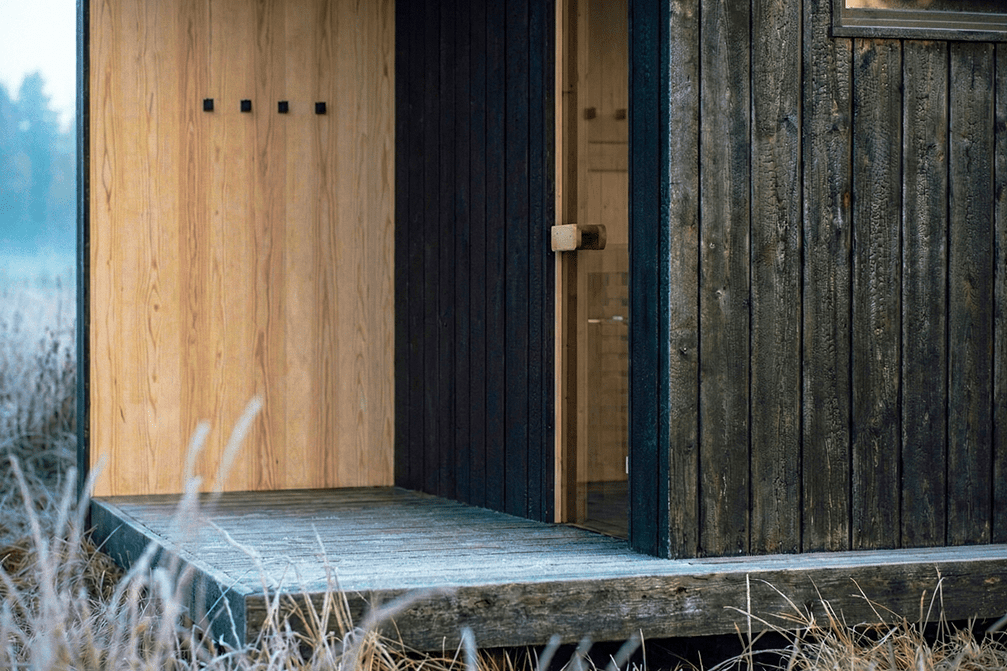
Maintaining an outdoor sauna in the UK requires a different mindset from maintaining one in colder or drier climates. High humidity, frequent rainfall and seasonal temperature swings place unique demands on materials and structure. The goal of maintenance is not to preserve a sauna in a static state, but to support how it naturally behaves over time.
A well-designed sauna requires relatively little intervention. Understanding what matters, and what does not, helps keep performance high without unnecessary work.
Learn how to maintain an outdoor sauna in the UK climate, covering moisture control, timber care and year-round use.
Understanding how timber behaves outdoors
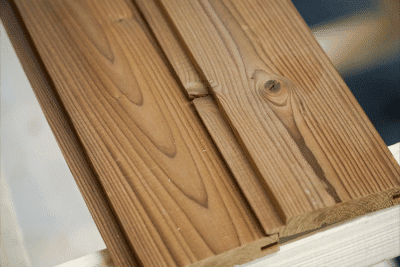
Timber is a living material. In outdoor saunas, it responds continuously to moisture, heat and air movement. Expansion, contraction and surface checking are natural processes, not signs of failure.
Maintenance should support this movement rather than fight it. Over-sealing or excessive treatment can trap moisture and cause more harm than good. Allowing timber to breathe is essential in a humid climate like the UK.
Ventilation and moisture control
Moisture management is the most important aspect of outdoor sauna maintenance. Proper ventilation allows humid air to escape after use and prevents condensation from lingering inside the structure.
After each session, allowing the sauna to dry fully is more important than cleaning. Leaving the door open briefly and ensuring vents are unobstructed helps maintain a stable internal environment.
Persistent dampness is the primary cause of odours, mould and premature material wear.
Internal cleaning and hygiene
Sauna interiors do not require aggressive cleaning. Harsh chemicals can damage timber and leave residues that react under heat.
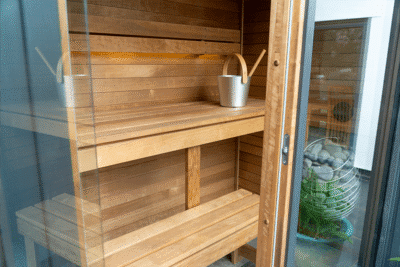
Light brushing, occasional wiping with warm water and proper drying are usually sufficient. Towels or seat covers reduce sweat absorption into benches and extend the life of internal surfaces.
Hygiene in a sauna is maintained through heat, airflow and dryness rather than frequent washing.
External timber care in UK conditions
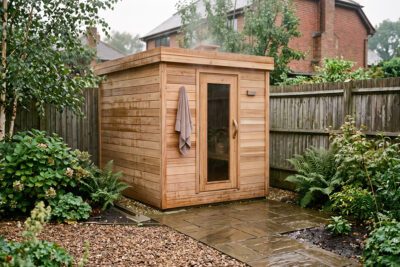
External timber weathers naturally in the UK climate. Over time, colour changes are expected and do not affect performance. Some owners choose to treat exterior surfaces to slow weathering, while others prefer a natural patina.
If treatments are used, they should be vapour-permeable and suitable for outdoor timber. Heavy paints or sealants that block moisture movement can cause long-term damage.
Treatment schedules should reflect exposure rather than rigid timelines.
Roof and drainage checks
The roof is the sauna’s primary defence against the elements. Periodic visual checks ensure water is shedding correctly and no debris is trapping moisture.
Clear drainage paths prevent water pooling, which can compromise longevity. These checks are simple but important, particularly after heavy weather.
Heater care and electrical safety
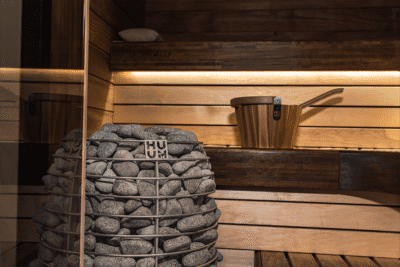
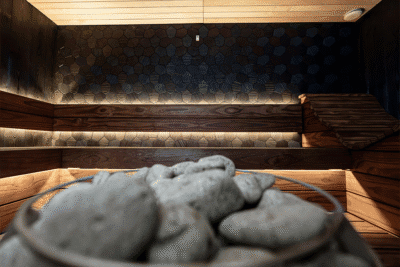
Electric heaters require minimal maintenance, but periodic inspection is good practice. Stones should be checked for cracking and repositioned if airflow becomes restricted.
Electrical connections should remain dry and secure. Any signs of corrosion, unusual behaviour or tripping should be addressed promptly by a qualified professional.
Consistent heater performance supports predictable sauna sessions and reduces stress on components.
Seasonal considerations
Outdoor saunas can be used year-round in the UK, but seasonal adjustments help maintain comfort and efficiency. In winter, allow slightly longer heat-up times and ensure snow or frost does not block ventilation.
In warmer months, increased ventilation between sessions helps manage humidity. Maintenance adapts to the season rather than remaining fixed.
What good maintenance does not involve
Effective maintenance does not require constant sealing, dismantling or reconditioning. If a sauna demands frequent intervention to remain usable, the issue is likely design-related rather than maintenance-related.
A properly built outdoor sauna should integrate naturally into its environment with minimal upkeep.
How True North designs for low maintenance
True North saunas are engineered for UK conditions. Timber selection, insulation, vapour control and ventilation are designed to reduce maintenance demands while supporting long-term performance.
By building saunas that manage moisture and heat predictably, ongoing care becomes simple and intuitive rather than time-consuming.
Maintaining an outdoor sauna in the UK climate is about understanding materials, managing moisture and allowing natural processes to occur. With good ventilation, occasional inspection and sensible timber care, a sauna can perform reliably for decades.
The best maintenance strategy starts with good design. True North saunas are built to make long-term care straightforward, ensuring performance remains consistent throughout the seasons.