Blog
Do outdoor saunas rot? Timber lifespan explained

One of the most common concerns about outdoor saunas is whether they will rot over time. The short answer is that timber itself does not fail simply because it is outside. Rot occurs when moisture is trapped and materials are unable to dry. Understanding how timber behaves, and how outdoor saunas are designed to manage moisture, explains why some last decades while others deteriorate quickly.
At True North, longevity begins with understanding timber as a functional material rather than a cosmetic one.
What causes timber rot
Timber rot is not caused by rain or humidity alone. It occurs when moisture is retained within the wood for prolonged periods, creating conditions for fungal growth. This typically happens when ventilation is poor, water is trapped in joints or impermeable finishes prevent drying.
In a sauna environment, heat cycles actually help drive moisture out of timber. Problems arise when design prevents this drying process from occurring.
Why outdoor saunas are different from sheds
Outdoor saunas experience regular heating and drying cycles that most garden structures do not. These cycles reduce average moisture content and help inhibit rot.
A well-designed sauna manages moisture more effectively than many outdoor buildings. Insulation, vapour barriers and ventilation work together to ensure that water does not remain trapped within the structure.
Saunas fail when they are built like sheds rather than engineered thermal environments.
Internal cleaning and hygiene
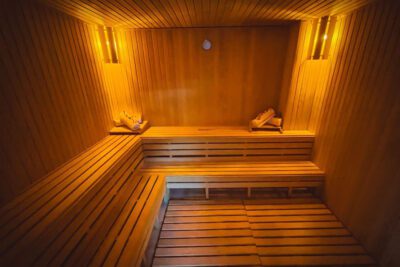
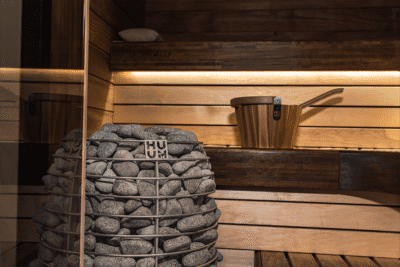
Sauna interiors do not require aggressive cleaning. Harsh chemicals can damage timber and leave residues that react under heat.
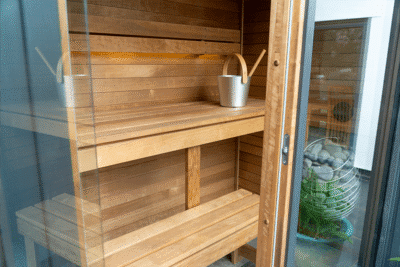
Light brushing, occasional wiping with warm water and proper drying are usually sufficient. Towels or seat covers reduce sweat absorption into benches and extend the life of internal surfaces.
Hygiene in a sauna is maintained through heat, airflow and dryness rather than frequent washing.
Timber movement versus decay
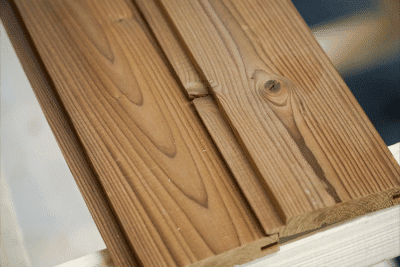
Cracking, checking and surface changes are normal characteristics of timber exposed to heat and weather. These are often mistaken for signs of rot, but they are cosmetic rather than structural.
True decay affects strength and integrity. It is soft, spongy and progressive. Understanding the difference prevents unnecessary concern and inappropriate maintenance.
How timber choice affects lifespan
Not all timbers perform equally outdoors. Some species offer better resistance to moisture, temperature variation and biological degradation.
Thermally modified timbers, for example, are more dimensionally stable and less susceptible to moisture absorption. When paired with proper design, these materials significantly extend lifespan.
Timber selection should be driven by performance, not appearance alone.
Design details that prevent rot
The most important factor in preventing rot is allowing timber to dry. This is achieved through ventilation, correct detailing and avoiding moisture traps.
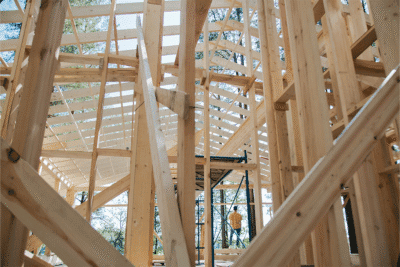
Raised bases, proper roof overhangs and drainage paths prevent standing water. Internally, airflow and vapour control prevent condensation from accumulating in walls.
Rot is a design failure, not an inevitability.
The role of finishes and treatments
External finishes can help slow weathering, but they must be breathable. Impermeable coatings trap moisture and accelerate decay.
In many cases, allowing timber to weather naturally is safer than aggressive sealing. Maintenance should support drying, not restrict it.
Expected lifespan of a well-built outdoor sauna
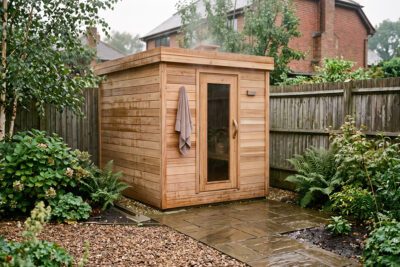
A properly designed outdoor sauna can last decades in the UK climate. Lifespan is determined by moisture management, material choice and build quality rather than exposure alone.
Saunas that deteriorate quickly usually suffer from poor insulation, inadequate ventilation or inappropriate finishes.
How True North designs for timber longevity
True North saunas are engineered to manage moisture and heat predictably. Timber selection, internal vapour control and ventilation strategies are designed to keep materials within safe moisture ranges year round.
By treating timber as a structural component rather than a decorative surface, we ensure long-term performance rather than short-term appearance.
Outdoor saunas do not rot simply because they are outdoors. Timber decay occurs when moisture is trapped and drying is prevented. With the right materials and design, timber can perform reliably for decades.
Understanding timber behaviour removes unnecessary fear and highlights the importance of good engineering. True North saunas are built to support long-term timber health, ensuring durability in real UK conditions.