Blog
Can you use an outdoor sauna all year round in the UK?


Yes, outdoor saunas can be used year round in the UK when designed for insulation, heat retention and wet weather.
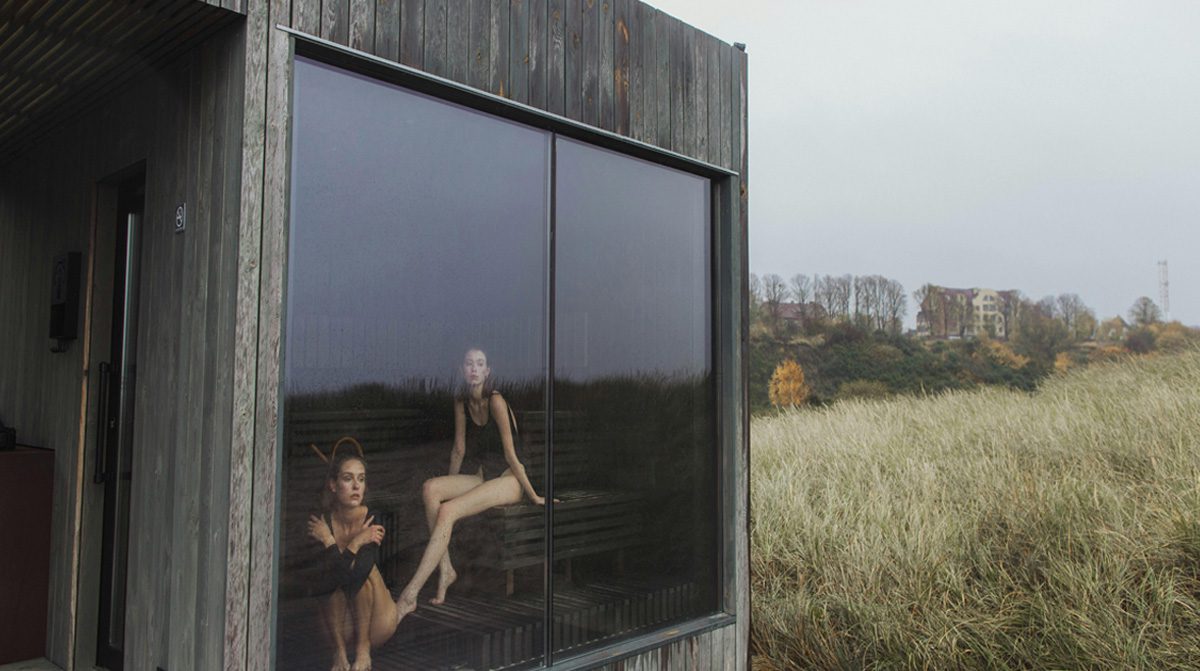
Outdoor saunas are often associated with cold climates and snowy landscapes, which leads many people in the UK to question whether they are truly practical year round. With frequent rain, high humidity and fluctuating temperatures, British weather presents a unique challenge. The answer is yes: an outdoor sauna can be used throughout the year in the UK, but only if it is designed and built with these conditions in mind.
At True North, we build saunas specifically for year-round outdoor use. Understanding what makes this possible helps separate long-term performance from short-lived novelty.
Why UK weather tests outdoor saunas
The UK climate is not defined by extreme cold but by variability. Rapid shifts in temperature, prolonged damp conditions and high rainfall place continuous stress on outdoor structures. Timber expands and contracts, moisture works its way into joints, and poorly insulated spaces struggle to maintain heat.
A sauna built without considering these factors may work well in summer but become inefficient, slow to heat and uncomfortable during colder months. Year-round usability depends on how well the sauna resists moisture and retains heat, not simply how powerful the heater is.
Insulation is the foundation of year-round use
Insulation determines whether a sauna can maintain stable temperatures regardless of external conditions. Without sufficient insulation, heat escapes rapidly, forcing the heater to work harder and creating uneven temperatures inside the chamber.
A well-insulated outdoor sauna traps heat efficiently, allowing it to reach operating temperature quickly and hold it consistently. This stability is essential for recovery, stress reduction and safe, comfortable use throughout winter.
True North saunas are designed as sealed thermal environments, ensuring the internal climate remains predictable even when conditions outside are not.
Heat retention and thermal consistency
Maintaining heat is more important than generating it. In cold or wet weather, poorly designed saunas lose heat faster than heaters can replace it. This results in fluctuating temperatures and diminished physiological benefit.
Consistent heat allows the body to relax and adapt, supporting circulation, nervous system regulation and recovery.
A sauna that holds temperature reliably performs the same in January as it does in July.
This is where design, insulation and structural integrity matter more than raw heating power.
Timber choice and moisture resistance
Outdoor saunas are exposed to constant moisture, both from the environment and from internal humidity. Timber selection plays a critical role in durability and performance.
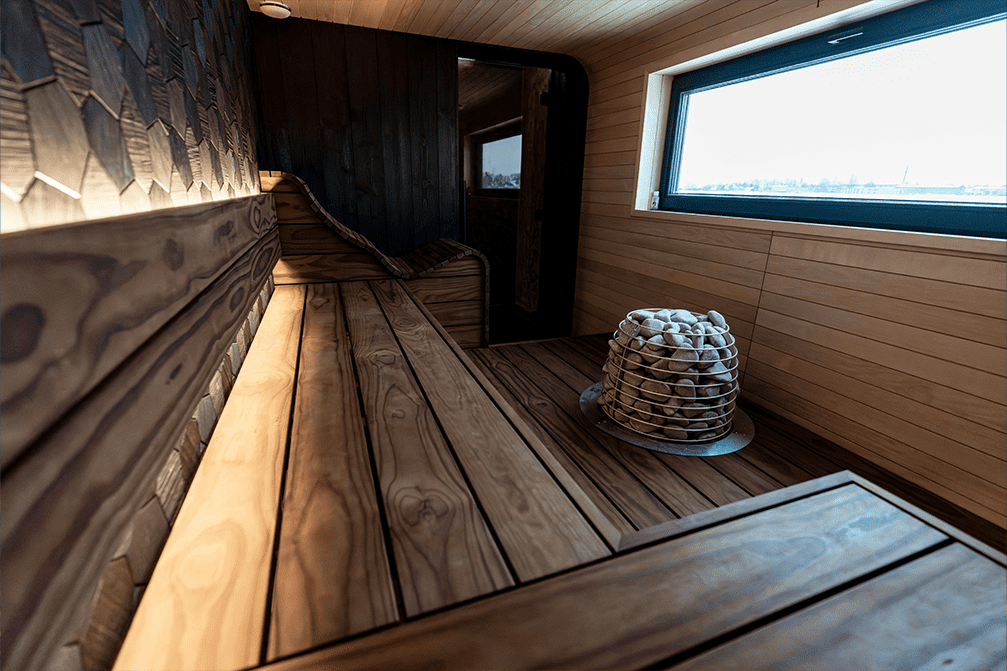
Thermo-treated timber, used in True North saunas, absorbs less moisture and moves less with temperature changes. This stability prevents gaps, reduces maintenance and preserves heat retention over time. It also ensures the structure ages predictably, maintaining both performance and appearance.
Ventilation without heat loss
Proper ventilation is essential for air quality and comfort, but it must be controlled. Excessive or poorly placed ventilation allows heat to escape and cold air to enter, particularly during winter.
A performance-grade outdoor sauna balances airflow with heat retention. Fresh air is introduced without disrupting the thermal environment, ensuring comfort without sacrificing temperature stability.
The role of electric heating in UK conditions
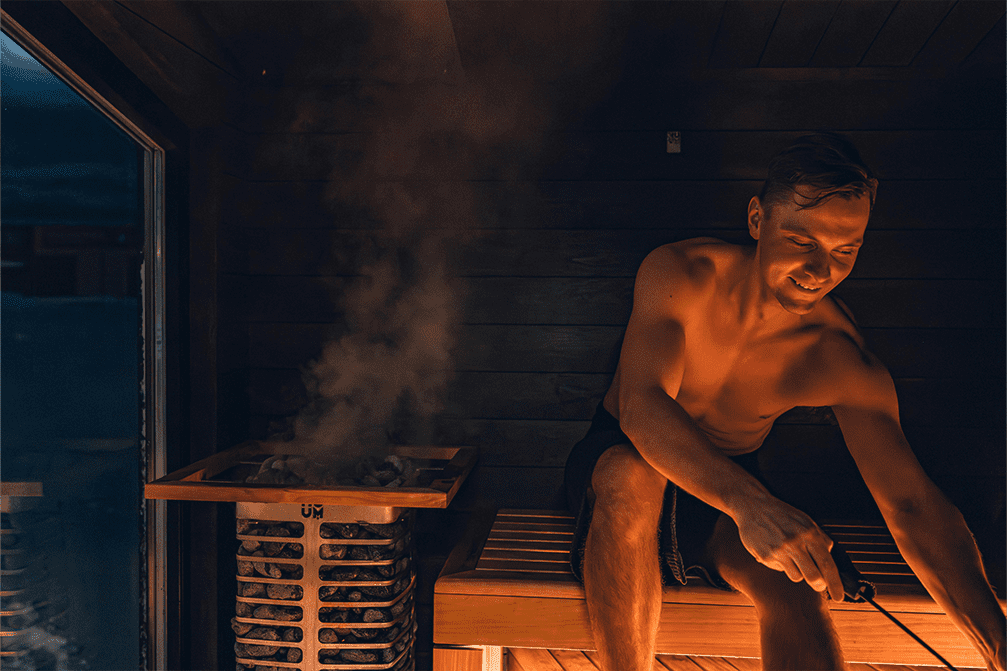
Electric heaters are particularly well suited to year-round use in the UK. They provide consistent, controllable heat without relying on dry fuel or weather-dependent airflow. This predictability makes them reliable in wet, windy or freezing conditions.
Unlike wood-fired systems, electric heaters deliver the same output regardless of external weather, allowing the sauna to behave consistently throughout the year.
Winter sauna use and recovery benefits
Cold weather can actually enhance the sauna experience. The contrast between outdoor temperatures and sauna heat amplifies circulation and recovery responses. Many users find winter sauna sessions particularly effective for stress relief and mental clarity.
The key is a sauna that performs reliably in these conditions. When heat is stable and the structure is sealed, winter becomes an advantage rather than a limitation.
Winter sauna use and recovery benefits
True North saunas are engineered for year-round outdoor use in the UK. Insulation, timber choice, heat distribution and construction methods are all designed to withstand wet, cold and variable conditions.
This allows users to maintain a consistent sauna routine without seasonal compromise. Performance remains the same regardless of weather, ensuring recovery and resilience are supported throughout the year.
Yes, you can use an outdoor sauna all year round in the UK, but only if it is built for the climate. Insulation, heat retention, moisture resistance and reliable heating determine whether a sauna performs consistently or struggles when conditions change.
A well-designed outdoor sauna transforms British weather from a challenge into part of the experience. True North saunas deliver the stability and durability needed to make year-round sauna use not just possible, but reliable.