Blog
Does sauna improve sleep quality? What the research actually shows

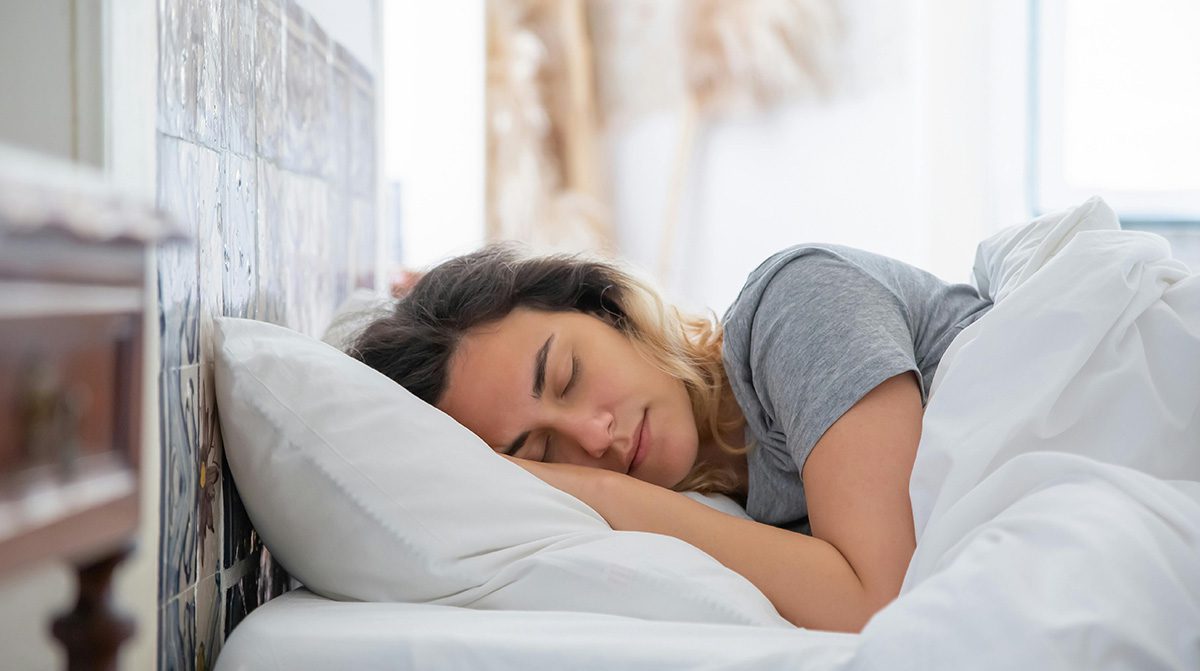
Sleep quality underpins almost every aspect of health, from cognitive performance and emotional regulation to physical recovery and immune function. When sleep is compromised, the effects are felt quickly. Sauna has become increasingly associated with better sleep, but understanding whether it genuinely improves sleep quality requires looking at the physiological mechanisms involved rather than anecdotal reports.
Examining what research shows about heat exposure and sleep helps explain why sauna can support deeper, more consistent rest when used correctly. Learn how sauna affects sleep quality, body temperature and recovery, and what research shows about using sauna for rest.
How sleep is regulated in the body
Sleep is governed by a combination of circadian rhythm and homeostatic pressure. One of the most important signals for sleep onset is a natural drop in core body temperature during the evening. As the body cools, melatonin release increases and alertness decreases.
Anything that enhances this temperature drop can support sleep. Sauna temporarily raises core temperature, but it is the rapid cooling phase after leaving the sauna that reinforces the body’s natural sleep signals.
What the research shows about sauna and sleep
Research into sauna use suggests that regular heat exposure can improve sleep quality, particularly sleep onset and perceived restfulness. Studies have shown that sauna users often report falling asleep faster and experiencing deeper sleep compared to non-users.
These effects are linked to improved autonomic nervous system balance. Sauna stimulates the sympathetic nervous system during heat exposure, followed by a parasympathetic rebound afterwards. This shift promotes relaxation and prepares the body for sleep.
While sauna is not a cure for clinical sleep disorders, the evidence supports its role as a behavioural tool that enhances sleep quality in otherwise healthy individuals.
The role of body temperature in sleep onset
The relationship between sauna and sleep hinges on timing. When sauna use ends one to three hours before bedtime, the subsequent drop in core temperature aligns with the body’s natural cooling phase.
This temperature decline acts as a signal for sleep onset, making it easier to fall asleep and reducing nighttime restlessness. If a sauna is used too close to bedtime or at excessive temperatures, this effect can be disrupted.
Controlled, moderate sessions support sleep. Extremes interfere with it.
Stress reduction and sleep quality
Stress is one of the most common barriers to good sleep. Elevated cortisol levels and an overactive nervous system delay sleep onset and fragment rest.
Sauna reduces stress through predictable physiological pathways. Heat exposure improves circulation, relaxes muscle tension and encourages parasympathetic nervous system activity during recovery. This reduces mental and physical arousal before bed.
Over time, regular sauna use can help stabilise stress responses, making it easier to transition into sleep.
Why sauna is one of the most effective tools for stress reduction
Sleep depth and recovery
Beyond falling asleep, sauna may influence sleep depth. Deeper sleep stages are associated with physical recovery, hormone regulation and cognitive restoration.
By improving circulation and reducing muscular tension before bed, sauna creates favourable conditions for deeper rest. While direct measurements of sleep architecture vary, users consistently report improved sleep quality and fewer nighttime awakenings.
These effects are strongest when sauna use is consistent rather than sporadic.
Why consistency matters more than intensity
The benefits of sauna for sleep are cumulative. Regular use trains the nervous system to move efficiently from activation to recovery. Sporadic or excessive sessions produce less reliable results.
Shorter, repeatable sessions used at similar times in the evening support circadian rhythm rather than disrupt it. Predictability allows the body to anticipate rest.
How True North supports sleep-focused sauna use
True North saunas are engineered to deliver stable, even heat that supports controlled exposure. This predictability allows users to build reliable routines that align with sleep goals.
Consistent heat distribution, efficient insulation and precise electric heating make it easier to finish sessions at the right intensity and time. The environment behaves the same way every session, which supports adaptation rather than overstimulation.
Yes, sauna can improve sleep quality when used intentionally. Research shows that heat exposure supports faster sleep onset, improved relaxation and deeper rest through its effects on body temperature and the nervous system.
The key is timing, moderation and consistency. When sauna becomes a predictable part of an evening routine, it reinforces the body’s natural sleep signals. True North saunas are designed to support this process, making sauna a practical tool for better sleep rather than a disruption to it.