Blog
Heat + Cold Contrast: How to Build a Routine That Delivers Results

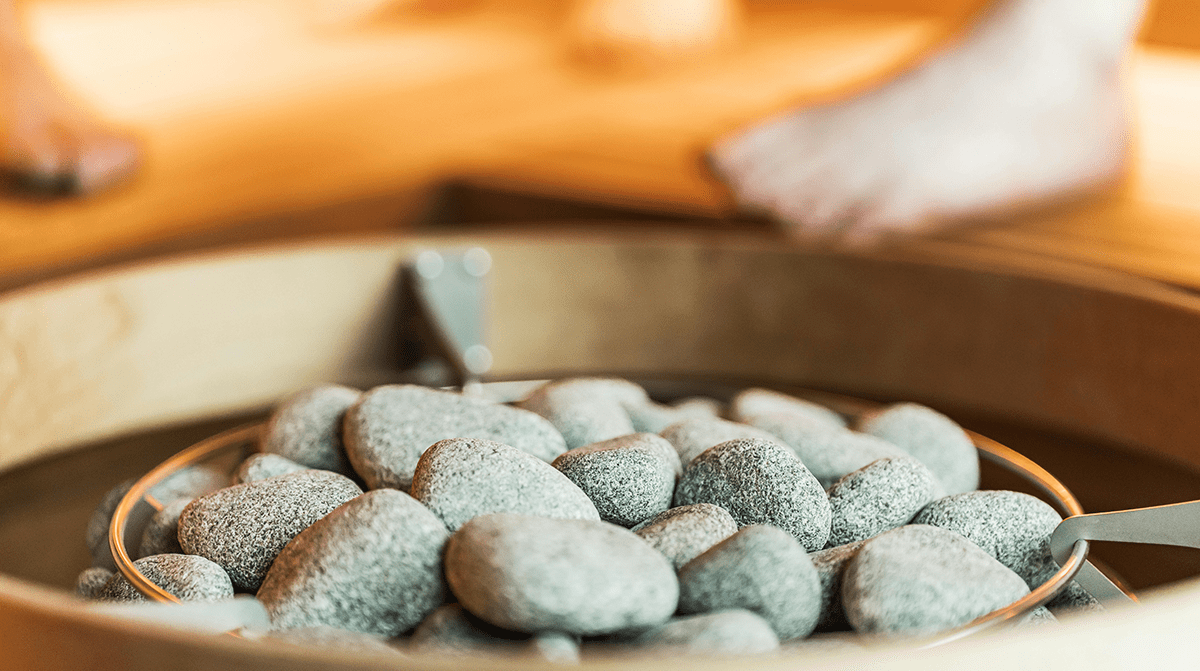
Contrast therapy is often described as a trend, but its roots are far deeper. Alternating heat and cold has been used for decades in athletic preparation, military conditioning and rehabilitation settings. When applied correctly, contrast therapy improves recovery, circulation, stress tolerance and nervous system control. When applied poorly, it becomes little more than discomfort without benefit.
The difference lies in structure. Contrast therapy is not about extremes or endurance. It is about applying heat and cold in a controlled, repeatable way that the body can adapt to over time.
What heat and cold contrast actually doesWhy contrast outperforms heat or cold alone
Contrast therapy alternates between heat exposure, most commonly through sauna, and cold exposure such as a cold plunge, ice bath or cold shower. Each stimulus creates a distinct physiological response, and the transition between the two is where the adaptation occurs.
Heat exposure raises heart rate and increases circulation, allowing blood to move more freely through muscles and connective tissue. This supports relaxation, reduces stiffness and promotes the activation of heat shock proteins involved in cellular repair. Heat also encourages a shift toward parasympathetic nervous system activity during recovery.
Cold exposure produces a sharp but controlled stress response. It increases alertness, tightens blood vessels and challenges breathing control. Over time, this improves vascular function and trains the nervous system to remain calm under stress.
When combined, heat and cold force the body to switch rapidly between states. This ability to transition efficiently from activation to recovery is the core benefit of contrast therapy.
Why contrast outperforms heat or cold alone
Heat on its own is restorative. Cold on its own is stimulating. Used together, they expand the body’s range rather than pushing it in one direction.
Modern life tends to keep people either overstimulated or under-recovered. Contrast therapy restores balance by training both sides of the nervous system. It builds resilience rather than sedation and control rather than avoidance.
The goal is not to escape stress, but to improve the body’s ability to meet it and recover from it.
The most common mistake with contrast therapy
The most frequent error is doing too much. Long cold plunges, excessive rounds and chasing extremes are common, particularly among new users.
Contrast therapy is not a toughness test. If sessions leave you fatigued, disrupt sleep or reduce motivation, the protocol is too aggressive. Results come from consistency, not intensity.
A routine that can be repeated week after week will always outperform one that looks impressive but cannot be sustained.
A contrast routine that actually works
An effective contrast routine is simple and repeatable. Heat should come first, allowing the body to warm fully and circulation to increase. Sauna temperatures typically sit between seventy and ninety degrees Celsius, with sessions lasting ten to twenty minutes. The aim is steady breathing and full-body warmth, not endurance.
Cold exposure follows and should be brief. Water temperatures between five and fifteen degrees Celsius are sufficient for most people, with durations ranging from thirty seconds to two minutes. Breathing should remain controlled. If panic sets in, the exposure is too long.
This sequence can be repeated for two or three total rounds. More rounds rarely improve outcomes and often reduce adherence.
The final phase should be chosen deliberately. Ending on heat supports relaxation and sleep, while ending on cold promotes alertness and readiness. The decision should reflect what the rest of the day requires.
How often contrast therapy should be used
For most people, contrast therapy works best when used two to four times per week. Non-consecutive days allow the body to adapt without accumulating fatigue.
Daily contrast sessions are rarely necessary and often counterproductive. Adaptation occurs during recovery, not during constant stimulation.
Contrast for recovery versus performance
The same contrast tools can be used for different outcomes. When recovery and stress reduction are the goal, heat should be moderate, cold exposure short and rounds limited. Ending warm supports nervous system down regulation.
When performance and mental resilience are the priority, sauna temperatures can be higher, cold exposure slightly longer and sessions ended on cold. The intent changes the outcome, even when the structure remains similar.
Why breathing matters more than temperature
The nervous system adapts through controlled exposure, not shock. During heat, slow nasal breathing helps maintain calm focus. During cold, rhythmic breathing prevents panic and reinforces control.
If breathing becomes erratic, the stimulus has exceeded its useful range. Discipline in contrast therapy is quiet and deliberate.
Who should approach contrast therapy with caution
Contrast therapy is powerful but not universal. Individuals with cardiovascular conditions, unstable blood pressure, cold-induced asthma or sensitivity to temperature extremes should seek medical advice before starting.
High standards include knowing when not to push.
Why environment determines consistency
Contrast therapy only delivers results when it is used regularly. Convenience and environment determine whether that happens.
Having sauna and cold exposure integrated into daily surroundings removes friction and decision fatigue. It turns recovery into a ritual rather than a choice. The environment either supports consistency or undermines it.
The long-term payoff
When applied correctly, contrast therapy improves recovery speed, sleep quality, stress tolerance and mind–body control. These changes do not appear overnight, but they compound steadily over time.
This is not a short-term intervention. It is a system.
Heat and cold contrast is not about chasing extremes. It is about building a routine that can be returned to consistently, year after year.
Heat creates openness. Cold sharpens control. The transition between the two builds resilience.
Results are not built through intensity alone, but through consistency at a higher standard. That is where contrast therapy delivers its real value.