Blog
How often should you use a sauna?

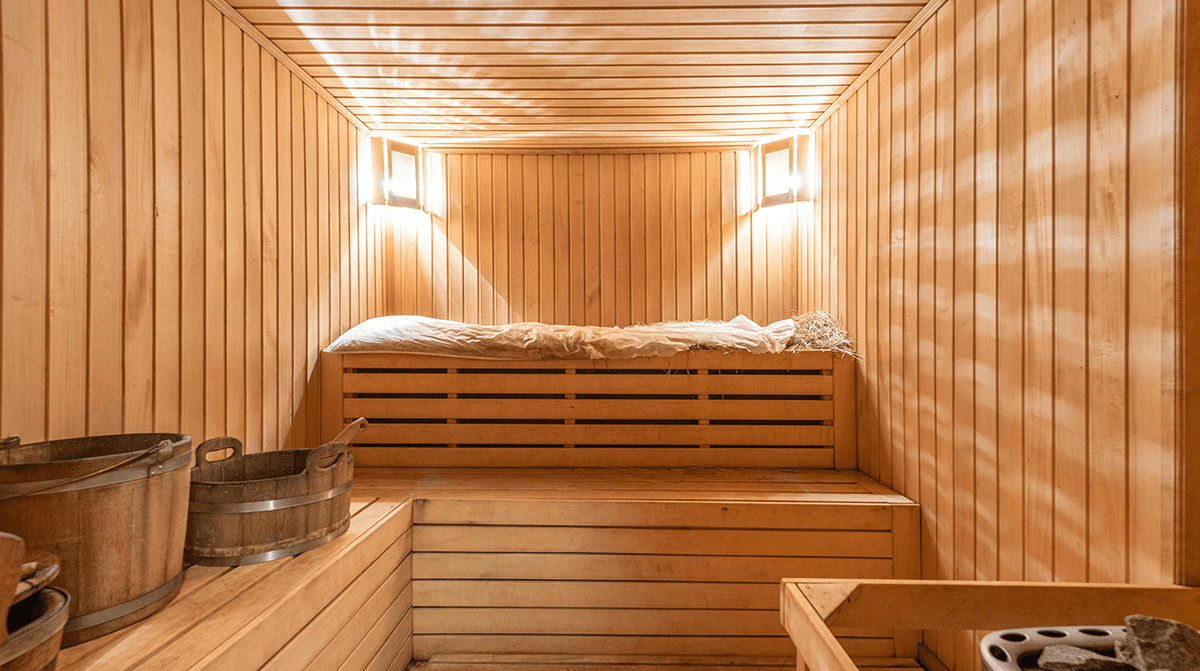
One of the most common questions people ask once they begin using a sauna regularly is how often they should be using it. The answer is not about extremes or endurance. It is about frequency, consistency and how the body adapts to repeated heat exposure over time.
Sauna works through predictable physiological mechanisms. Used correctly, it improves cardiovascular function, nervous system balance, recovery and stress resilience. Used sporadically or excessively, it delivers far less benefit. Understanding how often to use a sauna allows you to turn heat into a reliable tool rather than an occasional indulgence.
Why frequency matters more than session length
Studies examining long-term sauna use consistently show greater health benefits with higher weekly frequency, up to a point. Regular use has been associated with improved cardiovascular health, reduced stress markers and better overall resilience.
Most of these benefits appear when sauna is used two to four times per week. This range allows enough exposure to stimulate adaptation without overwhelming recovery systems. Beyond this, gains continue for some individuals, but only when hydration, nutrition and rest are properly managed.
The key takeaway is that frequency should support recovery, not compete with it.
A practical starting point for most people
For those new to sauna, two sessions per week is an effective starting point. This allows the body to adapt to heat gradually while still delivering noticeable benefits in relaxation, sleep quality and mental clarity.
Each session should feel challenging but controlled. You should leave the sauna feeling calm and relaxed, not drained. As tolerance improves, session length can increase slightly, or an additional weekly session can be added.
Progression matters more than intensity.
Three to four sessions per peek for consistent benefits
Using a sauna three to four times per week is where most people experience the strongest and most reliable results. At this frequency, sauna becomes a steady stimulus for cardiovascular conditioning, nervous system regulation and stress resilience.
This level of use suits individuals who train regularly, manage high stress loads or prioritise recovery as part of their lifestyle. Sessions can be spread across the week to support both physical and mental demands.
Consistency at this level helps stabilise mood, improve sleep patterns and enhance overall recovery capacity.
Daily sauna use: when it works and when it doesn’t
Daily sauna use can be effective for experienced users who have adapted to heat and manage recovery well. However, it is not necessary for most people and can be counterproductive if used without intention.
Daily use works best when sessions are shorter and temperatures are controlled. The goal shifts from stimulation to maintenance. If fatigue, poor sleep or dehydration appear, frequency should be reduced.
The body’s response is the guide. Sauna should support energy levels, not erode them.
Structuring a weekly sauna routine
An effective weekly sauna routine aligns with the rest of your life. For many, this means pairing sauna with training days or using it in the evening to support recovery and sleep.
Spacing sessions evenly across the week allows the body to adapt without accumulating fatigue. Predictable timing also strengthens circadian rhythm, enhancing sleep quality and stress regulation.
True North saunas are designed to deliver consistent heat every session, making it easier to maintain a routine that the body can rely on.
Why heat consistency changes everything
The frequency that works best depends on the quality of the sauna environment. Inconsistent heat forces the body to constantly readjust, increasing strain and reducing adaptation. Stable, even heat allows the body to relax into the session and recover more efficiently.
This is why sauna design matters. A well-engineered sauna supports frequent use by maintaining predictable temperatures and efficient heat distribution. This consistency turns weekly routines into long-term habits.
Listening to the body’s signals
Sauna use should enhance wellbeing, not feel like an obligation. Improved sleep, calmer mood and faster recovery are signs that frequency is right. Persistent fatigue, irritability or disrupted sleep suggest that sessions are too frequent or too intense.
Adjusting frequency is not a setback. It is part of using sauna intelligently.
How often you should use a sauna depends on your goals, lifestyle and recovery capacity. For most people, two to four sessions per week deliver meaningful benefits when used consistently. Daily use can work for experienced users, but only when heat exposure is controlled and recovery is prioritised.
The most effective sauna routine is one you can sustain. With consistent heat, thoughtful frequency and a stable environment, sauna becomes a reliable tool for recovery, stress management and long-term performance. True North saunas are designed to support this kind of use, turning weekly routines into lasting results.