Blog
Sauna cleaning and hygiene: What matters and what doesn’t

Sauna hygiene is often misunderstood. Some owners worry about constant cleaning, disinfecting and scrubbing, while others assume heat alone solves everything. The reality sits between these extremes. A sauna is a high-heat, low-moisture environment by design, and when used correctly, it is naturally hygienic.
Understanding what actually matters for cleanliness helps protect both the sauna and the people using it, without unnecessary effort or damage.
Learn what really matters for sauna cleaning and hygiene, and which habits are unnecessary or counterproductive.
Why saunas are naturally hygienic
High temperatures inhibit the survival of most bacteria and fungi. Regular heat cycles dry surfaces and reduce the conditions that allow microbes to persist. This makes a sauna fundamentally different from a bathroom or steam room.
Hygiene in a sauna is maintained through heat, airflow and dryness rather than chemical cleaning. When these conditions are present, microbial risk remains low.
What actually causes hygiene problems
Hygiene issues arise when moisture is allowed to linger. Sweat left to soak into timber, poor ventilation and insufficient drying after use create the conditions for odours and surface growth.
Problems are rarely caused by a lack of disinfectant. They are caused by trapped moisture and poor airflow. Addressing these root causes is far more effective than frequent cleaning.
The role of towels and personal habits
Personal habits play a larger role in sauna hygiene than cleaning routines. Using towels or seat covers prevents sweat from being absorbed directly into the benches.
Showering before sauna use reduces oils and residues on the skin, further limiting absorption into timber. These simple practices significantly reduce the need for cleaning.
How to clean a sauna properly
Sauna cleaning should be gentle and infrequent. Light brushing to remove debris and occasional wiping with warm water is usually sufficient.
Harsh detergents, disinfectants and scented products should be avoided. Under heat, these can release vapours, damage timber and create an unpleasant environment.
Drying the sauna fully after use is more important than cleaning itself.
Can you use an outdoor sauna all year round in the UK?
What does not matter as much as people think
Daily scrubbing, chemical sprays and aggressive washing are unnecessary and can be harmful. Over-cleaning strips natural protective oils from timber and increases wear.
A perfectly pristine appearance is not required for a hygienic sauna. Minor colour changes and patina are normal and do not indicate poor cleanliness.
Stone and heater hygiene
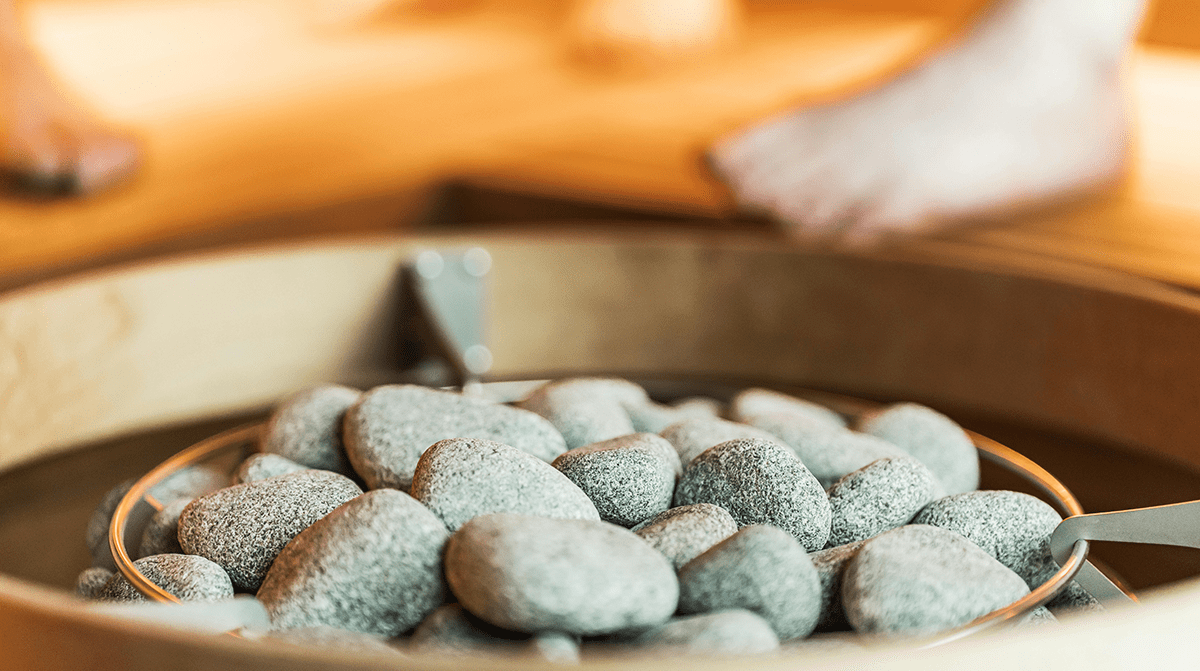
Heater stones should be checked occasionally for debris or cracking. Rearranging stones ensures good airflow and consistent heat.
Stones do not need frequent replacement unless they degrade or restrict airflow. Keeping the heater area clear supports both hygiene and performance.
Ventilation as the primary hygiene tool
Good ventilation is the most effective hygiene system in a sauna. Allowing moist air to escape after sessions prevents odours and surface issues.
Briefly opening the door and ensuring vents are unobstructed allows the sauna to dry naturally. This simple step does more than any cleaning product.
Outdoor saunas and environmental factors
Outdoor saunas face additional exposure to dirt and organic material. Regular visual checks and basic cleaning prevent build-up, but the principles remain the same.
Dryness, airflow and sensible use maintain hygiene far more effectively than constant cleaning.
How True North designs for hygiene
True North saunas are engineered to dry efficiently. Ventilation, insulation and internal layout support moisture control and heat consistency.
By designing saunas that manage moisture predictably, hygiene becomes a natural outcome rather than a maintenance burden.
Effective sauna hygiene is about managing moisture, heat and airflow, not about constant cleaning. Simple habits, gentle care and proper drying maintain a clean, comfortable environment.
Understanding what matters and what does not prevents unnecessary work and protects the sauna over time. True North saunas are built to support this balance, making hygiene straightforward and sustainable.