Blog
Where should you place an outdoor sauna in your garden?

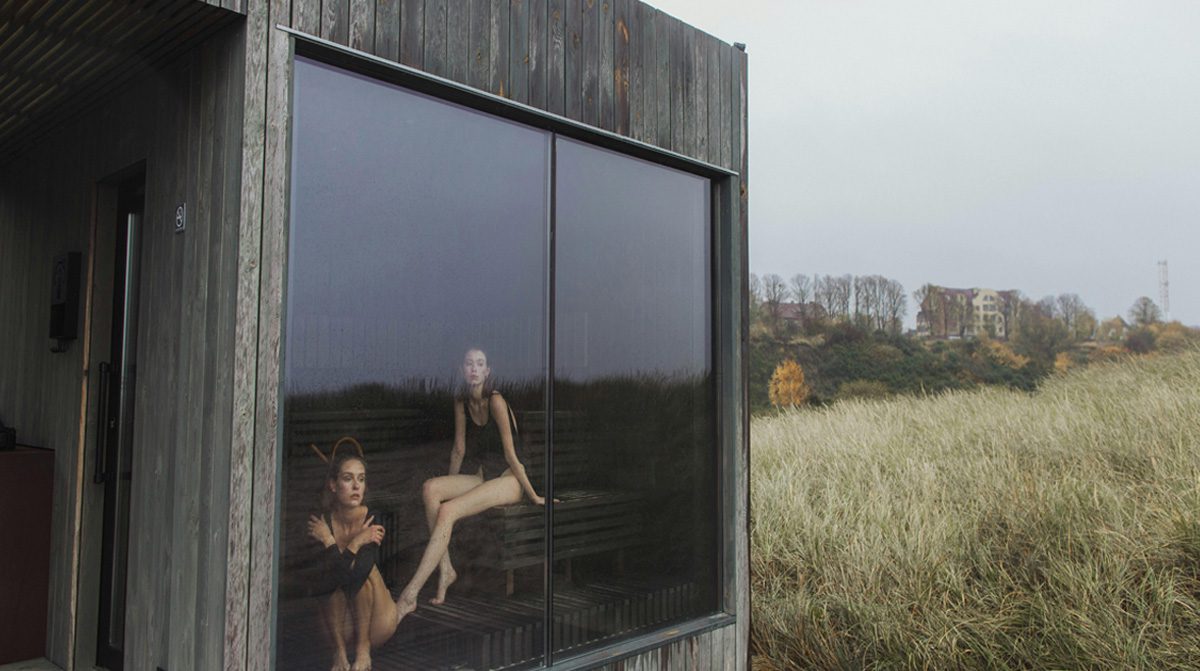
Placing an outdoor sauna is not simply a question of available space. Where it sits in your garden affects how it performs, how often you use it, and how well it integrates into your daily routine. A well-positioned sauna feels intuitive and effortless to use. A poorly placed one becomes inconvenient, exposed or underutilised.
The right location supports heat retention, longevity and the overall sauna experience, especially in the varied conditions of the UK climate. Learn where to place an outdoor sauna in your garden to maximise heat performance, access, privacy and year-round use.
Start with how you will actually use the sauna
The most important factor in placement is behaviour. A sauna that is easy to reach will be used more often. Consider how you move through your home and garden daily. The route from house to sauna should feel natural, safe and practical in all weather.
If the sauna requires crossing slippery ground, navigating steps in the dark or walking long distances in winter, usage drops. Proximity encourages consistency, and consistency is where the benefits of sauna are realised.
Ground conditions and structural stability
An outdoor sauna requires a stable, level base. Ground conditions affect not only installation but long-term performance. Soft ground, poor drainage or uneven surfaces can lead to movement over time, compromising structure and heat retention.
A solid foundation ensures the sauna remains square, sealed and thermally efficient. Good drainage around the base prevents standing water, reducing moisture exposure and extending the life of the structure. Placement should always prioritise ground stability over visual preference.
Shelter from wind and exposure
Wind is one of the biggest enemies of outdoor sauna performance. Strong airflow strips heat from external surfaces and increases heat loss through doors and ventilation points. Placing a sauna in an exposed corner of the garden can significantly reduce efficiency, particularly in winter.
Natural shelter from hedges, fences, walls or terrain helps the sauna maintain stable internal temperatures. This does not mean enclosing it completely, but positioning it so that prevailing winds are softened rather than amplified.
Sunlight, shade and seasonal comfort
Direct sunlight can be beneficial, especially in colder months, as it helps warm the structure and surrounding area. However, constant exposure can also accelerate timber ageing if materials are not chosen correctly.
Balanced placement considers seasonal changes. A sauna that receives some sun but avoids relentless exposure throughout the day benefits both performance and longevity. Thermo-treated timber, used in True North saunas, handles exposure well, but thoughtful positioning still matters.
Privacy and psychological comfort
Sauna use is as much mental as it is physical. Privacy plays a key role in relaxation. Placement should consider sightlines from neighbouring properties, windows and public areas.
Even a well-built sauna can feel uncomfortable if users feel overlooked. Strategic positioning, combined with landscaping or screening, allows the sauna to feel like a retreat rather than a feature on display.
Access to cooling and recovery space
Sauna sessions are defined by contrast. Cooling down after heat exposure is part of the physiological response. Placement should allow easy access to fresh air, shaded space or outdoor seating.
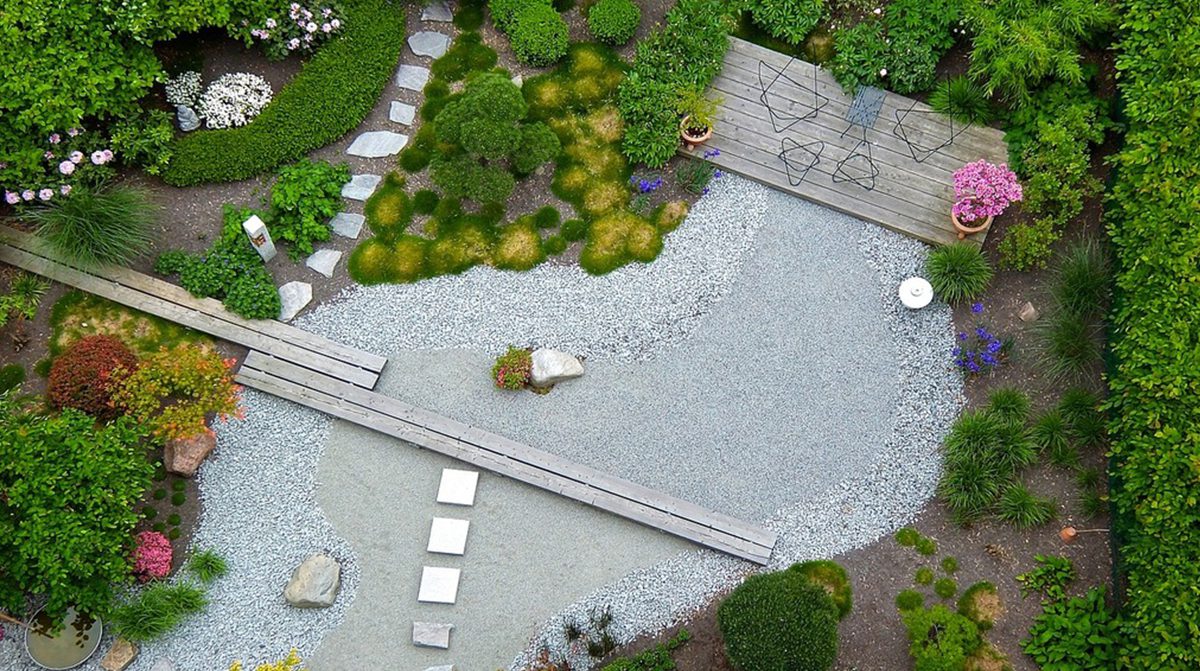
Some gardens allow for a seamless flow between sauna, open air and rest. Others may include outdoor showers or cold exposure nearby. The key is space to step out, breathe and recover comfortably before returning inside.
Planning, boundaries and practical constraints
Before finalising placement, it is important to consider boundaries, access routes and local planning guidance. Setbacks from fences, trees and buildings protect airflow, reduce moisture buildup and ensure safe access for delivery and installation.
True North provides site-ready drawings to help ensure the chosen location supports both performance and compliance. Early consideration avoids compromises later.
Why placement affects long-term performance
A sauna that is poorly positioned works harder to achieve the same result. Increased heat loss, moisture exposure and structural stress all shorten lifespan and reduce consistency. Over time, this affects energy efficiency, comfort and reliability.
A sauna placed with intention behaves predictably. Heat holds, timber stays stable and sessions feel the same regardless of season. This predictability is essential for recovery and stress regulation.
How True North approaches sauna placement
True North saunas are designed as complete systems, but placement completes the system. We consider access, exposure, drainage and daily use patterns to ensure the sauna performs as intended.
By combining performance-grade construction with thoughtful positioning, the sauna becomes a natural extension of the home and garden, supporting consistent use throughout the year.
The best place for an outdoor sauna is one that balances access, shelter, privacy and structural stability. Placement affects how the sauna heats, how comfortable it feels to use and how often it becomes part of daily life.
When positioned correctly, an outdoor sauna enhances the garden without dominating it and delivers reliable performance in all seasons. True North saunas are built to support this balance, ensuring that placement works with the environment rather than against it.