Blog
Heat therapy guide: The science behind heat therapy

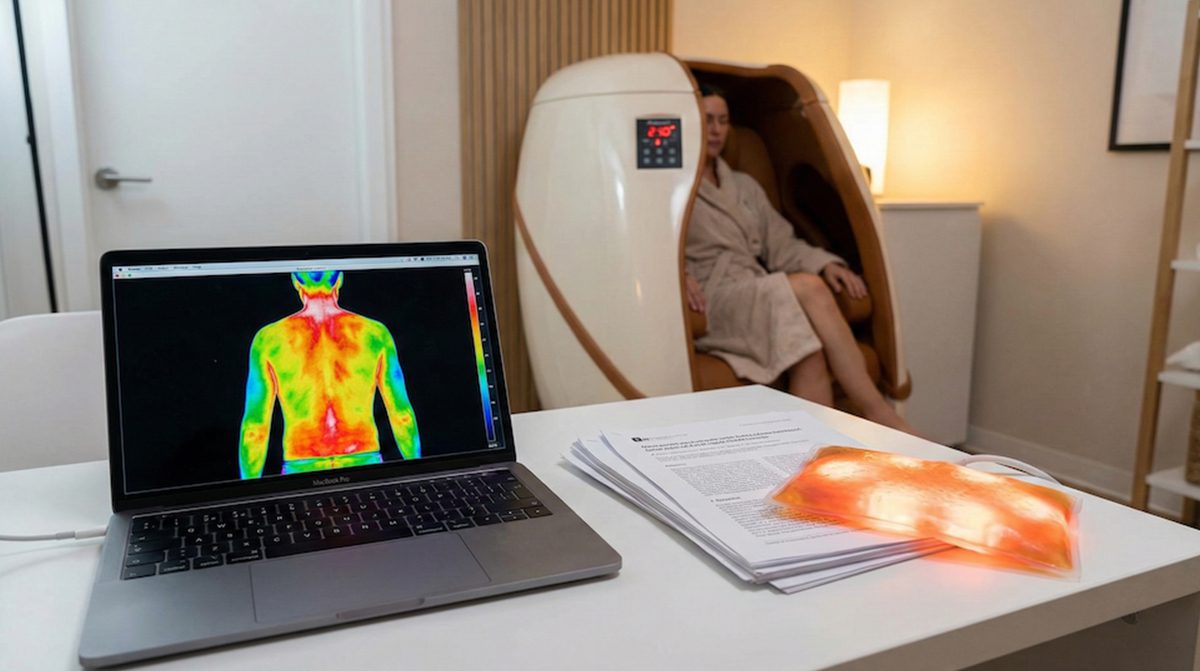
A guide to understanding how heat shapes the body, supports resilience and enhances wellbeing
In this guide
- The benefits of heat therapy that science consistently supports
- What is heat therapy?
- How the body responds to heat
- Benefits that show early promise but need further research
- Myths worth leaving behind about heat therapy
- Using heat safely and effectively
- The physiology of heat and cold contrast
- Practical heat therapy frameworks for everyday life
- The True North approach to long-term use of heat therapy
Guide reading time: 15 minutes
The moment the sauna door closes behind you, the temperature settles around your skin and your attention quiets. The warmth is steady rather than sharp, and there is something grounding about it. Your breathing begins to change. Your heart lifts slightly. Within seconds, you know you have stepped into a different environment from the rest of the day.
People have been drawn to this feeling for centuries. Not because it is fashionable, but because heat has always offered something reliable. It allows the body to reset in a way few other environments can replicate. Long before research explored its effects, people understood that heat brought clarity, relieved the weight of daily stress and left them more centred afterward.
When heat is delivered properly and the environment around it is engineered with purpose, the effects are consistent and repeatable. The experience becomes something you can rely on rather than something that occasionally feels good.
The science behind heat therapy is not complicated. It is grounded in clear mechanisms that influence the cardiovascular system, the nervous system, the rhythm of sleep, metabolic processes and recovery.
The benefits of heat therapy that science consistently supports
People have used heat as part of daily life for generations, but only in recent decades has research begun to show how these traditions influence the body in measurable ways. While not every claim about heat exposure is backed by strong evidence, several benefits appear consistently across studies, particularly those conducted in Finland where sauna use is routine. These benefits are not based on extreme temperatures or long sessions. They come from regular exposure to well controlled heat that encourages the body to adapt in steady and predictable ways.
Heat supports the cardiovascular system
One of the clearest effects of heat therapy is how it challenges the cardiovascular system in a controlled, manageable way. As core temperature rises, heart rate increases to levels similar to light or moderate aerobic exercise. This is the body regulating temperature by moving warm blood toward the skin.
Studies have shown that people who use saunas regularly often demonstrate improved vascular flexibility and more stable blood pressure over time. The blood vessels become better at expanding and contracting, which supports healthier blood flow. Some research also suggests improvements in endothelial function, which is the ability of blood vessels to dilate in response to increased demand. These changes help explain why sauna use is associated with long-term cardiovascular health when paired with other healthy habits.
None of these effects require intense routines. They emerge from the simple combination of heat exposure, increased heart rate and improved circulation repeated consistently over weeks and months.
Heat encourages resilience to stress
Heat places the body in a controlled state of physical stress, and the way it responds to this stress is part of what creates the sense of calm many people feel after a session. In the early minutes of heat exposure, the sympathetic nervous system becomes more active as the body adjusts to rising temperature. Once the session ends and core temperature begins to fall, the body shifts into parasympathetic mode, which is linked with relaxation and recovery.
This transition between activation and recovery helps explain why heat exposure can reduce feelings of tension and mental clutter. The body moves smoothly between two states that often feel disjointed in everyday life. Over time, repeated exposure to this cycle can build a form of psychological resilience. People often report a greater sense of steadiness in the hours and days after consistent heat use, not because heat numbs stress but because it strengthens the body’s ability to regulate it.
Heat helps support better sleep
Sauna use can influence sleep by affecting the natural temperature rhythm that prepares the body for rest. Core temperature rises during the session and then gradually falls in the hours that follow. This cooling phase mirrors the body’s natural circadian pattern. As temperature drops, signals for sleep onset increase.
For many people, an evening sauna session helps them fall asleep more easily and stay asleep more consistently. The combination of physical relaxation, parasympathetic activation and gentle cooling appears to support deeper sleep stages. While research continues, the connection between evening heat exposure and improved sleep quality is one of the most commonly reported benefits among regular users.
Heat enhances recovery and reduces physical tension
Improved circulation is one of the most practical and immediate benefits of heat therapy. When blood flow increases, muscles receive more oxygen and nutrients, and metabolic byproducts are cleared more efficiently. This is why sauna sessions often feel particularly restorative after training, long runs or heavy strength sessions.
Heat also relaxes muscle tissue by reducing resting muscle tone. This helps reduce stiffness and improves the sense of mobility afterward. For people with high training loads or physically demanding routines, the combination of improved circulation and reduced tension can make a noticeable difference in how the body feels the following day.
Heat supports daily clarity and calm
Many people associate sauna use with a sense of mental clarity. Increased blood flow to the brain, the release of endorphins and the simple act of stepping into fresh air after a session all contribute to this effect. The contrast between warm air and cooler air sharpens focus and creates a distinct shift in mental state. Over time, this becomes one of the most valued parts of heat therapy. It is predictable, grounded and easy to integrate into daily life.
“Heat therapy isn’t a ritual you visit once a week. It’s a framework you apply daily - to regulate stress, sharpen focus, and recover with intent.”
What is heat therapy?
Heat therapy is the deliberate use of elevated temperatures to create a controlled stress response in the body. In the context of traditional saunas, heat typically sits between 70 and 100 degrees Celsius. This range is the zone where meaningful physiological change occurs without placing the body under undue strain.
When people speak about heat therapy, they often focus on how it feels. The sense of release. The clarity. The way your breathing settles. These qualities matter, but they are the outcome of deeper internal processes. Heat therapy works by nudging the body into a state where it must adapt. The rise in temperature activates pathways that regulate heart rate, circulation, cellular protection and nervous system balance.
Heat therapy doesn’t replace movement, sleep or nutrition. Instead, it builds capacity. It increases the body’s ability to handle physical and mental stress so that these other pillars become easier to maintain. That’s why heat therapy fits naturally into a performance focused lifestyle. It supports endurance, recovery, mental clarity and sleep without requiring disruption to routine.
When used consistently, heat therapy strengthens the systems that are responsible for long-term wellbeing. The science behind this process begins with how the body responds in the first moments of heat exposure.
How the body responds to heat
The body is constantly working to maintain internal balance. Temperature is one of the most tightly controlled aspects of this balance. When you enter a sauna, the body recognises the increase in external temperature and begins adjusting its internal processes almost immediately.
A rise in core temperature
Core temperature normally sits around thirty seven degrees Celsius. During a sauna session, it increases by one to two degrees. This may sound small, but the body treats this change as significant. It begins mobilising systems that are designed to stabilise internal temperature. These systems influence circulation, sweating, heart rate and cellular protection.
This rise in core temperature is the foundation of heat therapy. Without it, heat exposure remains superficial. With it, the body begins adapting in ways that support resilience and performance.
Increased circulation and vasodilation
As core temperature rises, blood vessels widen. This widening, known as vasodilation, allows more blood to flow toward the surface of the skin where heat can be released. This is why people often feel a gentle wave of warmth spreading through the body early in the session.
Vasodilation increases overall circulation. Muscles receive more oxygen. Blood moves more freely through the body. Tension tends to ease. These effects are simple and predictable, but they create a sensory experience that feels noticeably restorative.
Circulation also plays a role in how the mind feels during and after heat exposure. Increased blood flow to the brain can contribute to the mental clarity people often describe once they step out of the sauna.
Heart rate increases to support cooling
Heat exposure raises heart rate. Most people reach levels similar to light or moderate aerobic exercise. This increase is the body’s way of moving warm blood toward the skin for cooling. It also ensures the body maintains stable internal temperature.
Heart rate changes during heat exposure have been consistently measured in research. Studies show that this response is safe for healthy individuals and acts as a controlled cardiovascular challenge. Over time, the heart becomes slightly more efficient at managing this load, which may explain some of the long-term cardiovascular benefits associated with sauna use.
Sweating as a cooling mechanism
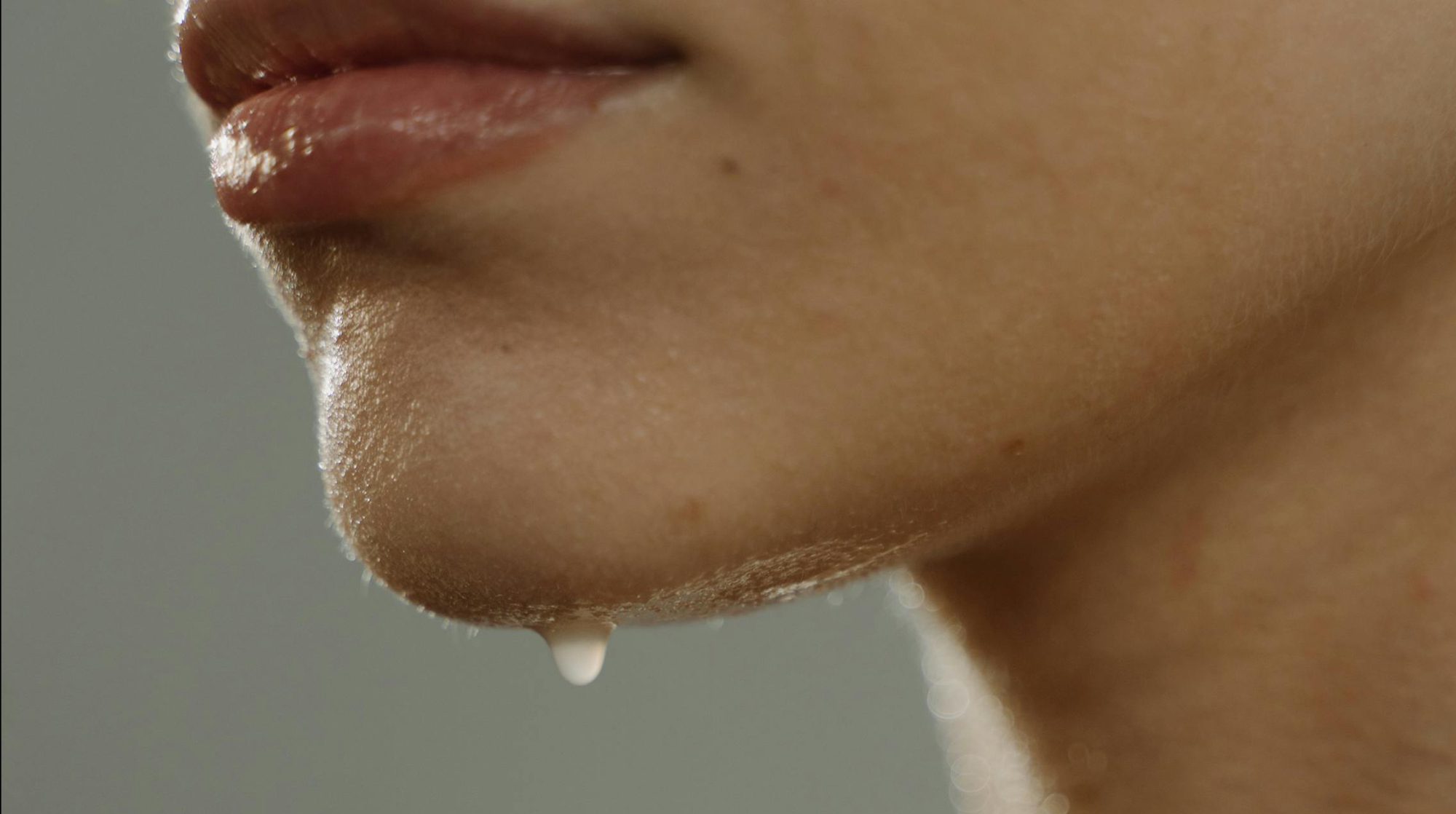
Sweating is central to thermoregulation. As sweat accumulates on the skin and evaporates, it removes heat. During repeated sauna use, the body becomes more efficient at sweating. This adaptation is known as improved sudomotor function.
Beginners often sweat later in a session. Experienced users begin sweating sooner. This shift reflects improved heat tolerance and contributes to the sense of comfort in higher temperatures. It also helps explain why sauna routines become easier as heat exposure becomes part of a weekly rhythm.
Heat shock protein activation
Heat stress triggers the production of heat shock proteins, which help maintain the structure and function of cells under strain. These proteins play a role in repairing damaged proteins, supporting cellular stability and improving resilience to stress. Their activation is one of the proposed mechanisms through which heat therapy supports long-term wellbeing.
Heat shock proteins are associated with cellular protection and adaptation, but this guide avoids overstating their significance. They are one part of a broader picture rather than a single explanation for the benefits of heat exposure.
Benefits that show early promise but need further research
Some of the most exciting areas of heat therapy science are still developing. These emerging benefits should be viewed with interest rather than certainty. The early findings are encouraging, but they require more evidence before becoming core recommendations.
Potential metabolic benefits
Early studies have suggested that heat exposure may influence glucose metabolism and insulin sensitivity. These effects may be linked to increased circulation, hormonal changes or the body’s response to temperature rise. Some evidence suggests that heat exposure triggers similar pathways to light aerobic exercise. While the research is still in early stages, the findings are promising enough to follow as more data emerges.
Possible influence on endurance and VO2 max
Heat exposure appears to affect plasma volume, which is the liquid component of blood. Increasing plasma volume can support endurance performance by improving the body’s ability to regulate temperature and deliver oxygen during physical activity. This is one reason heat acclimation is used by some athletes preparing for competition in warm climates.
These adaptations tend to be more noticeable in trained individuals who already have a developed aerobic base. For most people, the key takeaway is that heat can complement training by supporting recovery and improving overall physical readiness rather than directly increasing VO2 max.
Early research on cognitive and neurological effects
There is growing interest in how heat affects the brain. Some studies have explored heat’s potential influence on inflammation, blood flow and protective cellular pathways. While these findings do not yet form a complete picture, they point toward the possibility that heat may play a supportive role in long-term cognitive health.
Myths worth leaving behind about heat therapy
Heat therapy has existed far longer than the modern wellness industry. Yet as interest has grown, so have misconceptions. Some are harmless. Others pull people away from what actually works. Clearing these myths is about helping you avoid distractions so you can focus on the practices that genuinely support resilience, recovery and long-term wellbeing.
These are the beliefs worth leaving behind:
Myth 1: Sweating removes toxins
Sweating is often misinterpreted as a form of cleansing. The idea appears in almost every corner of wellness culture, but it does not reflect how the body actually works. Sweat is a cooling mechanism. Its purpose is to release heat from the skin so core temperature stays within a safe range. The compounds that leave the body through sweat are minimal compared to what is processed by the liver and kidneys.
This does not reduce the value of sweating. Sweating is a clear sign that the body is responding to heat in a healthy, adaptive way. It supports circulation. It helps regulate temperature. It builds efficiency over time. But it is not detoxification. The real benefit of sweating is that it shows the body is working with the heat, not that it is purifying itself.
Letting go of this myth allows you to appreciate sweat for what it truly is: a reliable indicator of adaptation, not a measure of toxin removal.
Myth 2: Higher temperatures equal better results
It is tempting to assume that pushing temperature as high as possible will accelerate progress. Heat can feel like a challenge, and challenges often encourage people to test their limits. But heat therapy is not designed to be a test of toughness. The benefits come from consistency, not from chasing extremes.
Temperatures in the upper end of the traditional Finnish range can be enjoyable for experienced users, but they are not required for meaningful physiological responses. Research shows benefits across the seventy to one hundred degree range. Beyond that, the body does not gain much more. What increases instead is strain, which can reduce the quality of the session and make routines harder to sustain.
The most effective heat routines feel steady and grounded. They challenge the body without overwhelming it. This is where the physiological systems that respond to heat can adapt properly. Higher is not better. Better is balanced.
Myth 3: Longer sessions produce more benefit
There is a cultural pull toward endurance. The belief that more time means more progress appears in many areas of fitness and wellness. But when it comes to heat, duration follows a different logic. Longer sessions do not automatically create stronger outcomes. Once the body reaches a certain level of activation, the key is to maintain this state consistently over time, not to extend sessions indefinitely.
Much of the research supporting sauna use is based on sessions of fifteen to twenty minutes. Some protocols use slightly longer sessions, but the fundamental pattern remains the same. The value lies in how often you use heat, not how long you stay inside on any single day.
Short, manageable sessions allow the body to adapt in a sustainable way. They fit naturally into daily routines and keep the stress of heat within a range the body can respond to positively. Extremely long sessions may feel productive in the moment, but they usually reduce consistency in the long term.
The most effective routines treat duration as a tool, not a test.
Myth 4: Heat therapy replaces physical exercise
Heat raises heart rate. It increases circulation. It challenges the cardiovascular system. Because of this, it is sometimes described as a substitute for aerobic exercise. This comparison is understandable but misleading.
The physiological responses to heat overlap with some aspects of exercise, but they do not replace the muscular, mechanical or metabolic demands that come from movement. Heat supports cardiovascular health, but it does not develop strength, coordination or mobility. It does not provide the same stimulus for bones or muscle tissue that training does.
What heat does exceptionally well is complement training. It supports recovery. It improves circulation. It helps maintain vascular flexibility. It creates a calmer nervous system state after intense movement. It is a tool that reinforces a physically active lifestyle rather than replacing it.
Seeing heat therapy as a partner to exercise, rather than a replacement, brings its value into clearer focus.
Myth 5: Discomfort means progress
Heat therapy can feel challenging. There is a natural rise in heart rate and a shift in breathing rhythm. Warmth gathers across the skin. These sensations are normal. What is not necessary is forcing discomfort in hopes of achieving a better outcome.
The body adapts to heat through gradual, repeatable exposure. It responds best when the challenge is controlled. Pushing into discomfort too early increases strain, prevents the nervous system from settling and often leads to inconsistent practice. The benefits of heat come from reliability, not endurance.
A well-built heat routine feels engaging, grounding and physically honest. It asks something of you without pushing you past your limits. It strengthens resilience by encouraging the body to adapt, not by overwhelming it.
In heat therapy, progress is measured by consistency, not how uncomfortable you can make yourself.
Using heat safely and effectively
Heat therapy is most powerful when it feels controlled. The goal is not to push yourself into discomfort, but to create a steady environment where the body can respond, adapt and recover. Safe heat use is not about limitations. It is about understanding how the body behaves under heat so you can work with it, not against it. When sessions feel grounded and manageable, consistency becomes easier, and the benefits accumulate naturally.
This chapter focuses on how to use heat in a way that is sustainable, effective and aligned with how the body is designed to handle temperature stress.
Finding the right temperature range
Temperature is often the first question people ask, yet it is not the number itself that matters. It is how your body responds to that number.
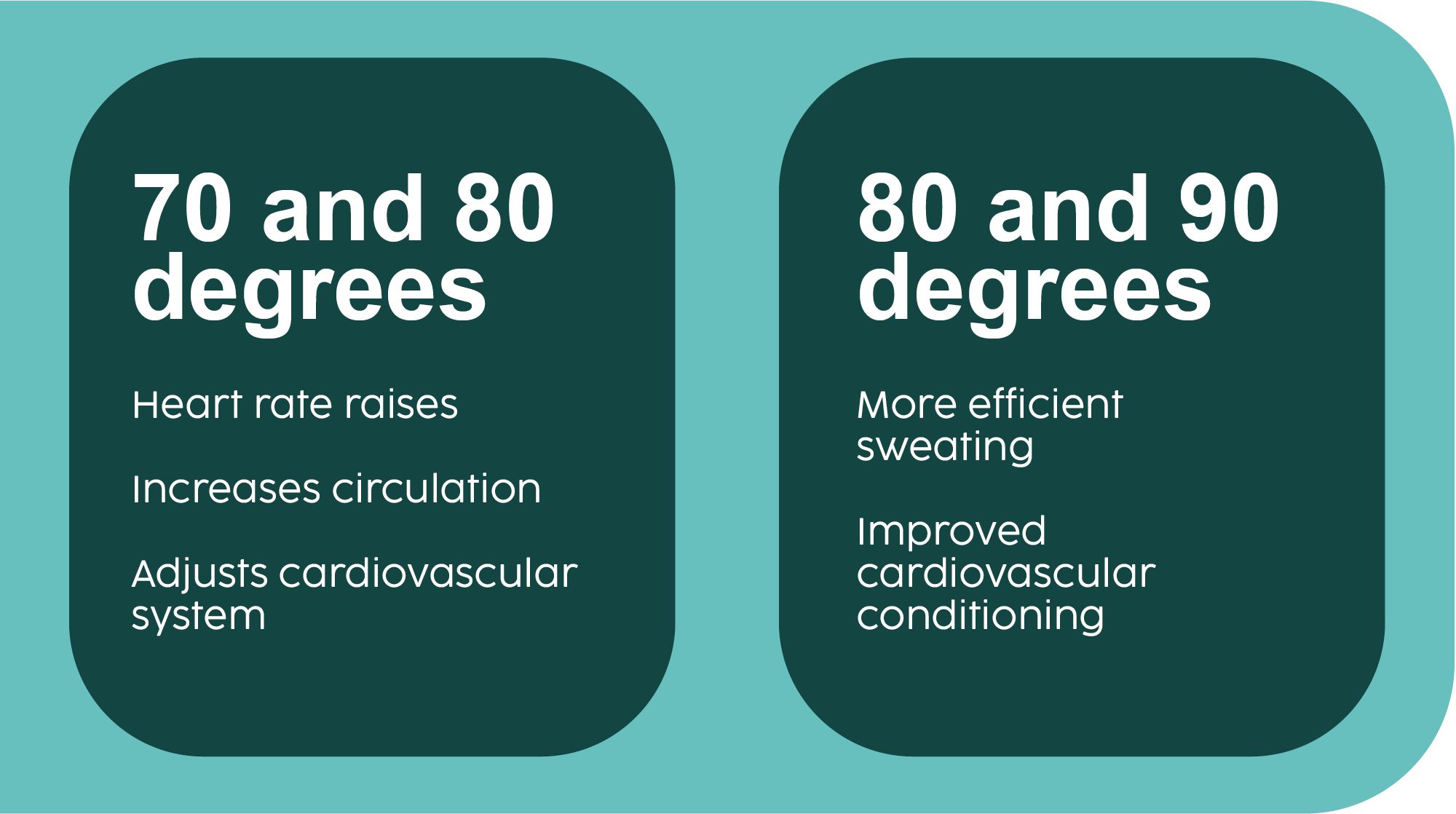
Most people new to traditional Finnish heat feel comfortable between 70 and 80 degrees. This range allows the cardiovascular system to adjust without creating unnecessary strain. It raises heart rate, increases circulation and warms the body enough for the adaptive mechanisms to activate.
As heat becomes more familiar, many users naturally prefer 80 to 90 degrees. At this level, the body engages more of the pathways associated with heat therapy, such as improved cardiovascular conditioning and more efficient sweating. This does not mean everyone should push toward the upper end of the range. It simply reflects that the body becomes more capable of managing heat as adaptation develops.
A reliable sign that you have found the right temperature is simple: you can stay present. Your breathing remains steady. Your awareness stays calm. The heat feels strong but not overpowering. This is the range where the body benefits most.
Understanding session duration
Duration shapes the experience, but longer does not always mean more effective. The most reliable research on sauna use is based on sessions of 15 to 20 minutes. Some people enjoy two rounds with a break in between. Others prefer one continuous session. Both approaches can work.
The key is to choose a duration that challenges you without pulling your focus away from the experience itself. If you are watching the clock or fighting the heat, the session has moved beyond what the body can use productively.
Shorter sessions, repeated frequently, outperform occasional long sessions. This is because heat therapy relies on repeated exposure to create adaptation. Consistency matters more than endurance.
Why frequency matters more than intensity
The body responds best to regular, moderate heat exposure. The cardiovascular, metabolic and neurological pathways that heat activates become more efficient with repetition. This is why the most consistent benefits in research come from people who use saunas several times per week rather than those who use them sporadically at high intensity.
A good starting point for most people is 2 to 3 sessions per week. Experienced users often settle into 4 to 5 sessions. More is not inherently better. The frequency should support your lifestyle, not disrupt it.
When heat becomes part of your weekly rhythm, it builds momentum. You feel the benefits more clearly and consistently. This momentum is what creates long-term change.
Hydration and how it affects heat performance
Hydration is often treated as a simple reminder, but it plays a deeper role in how the body manages heat. Water supports circulation, blood pressure stability and sweat production. When the body is even slightly dehydrated, heart rate increases more quickly and temperature regulation becomes less efficient.
Drinking water before and after a session helps maintain steady cardiovascular function. It also allows the body to sweat in a more controlled way. Hydration does not need to be complicated. A glass of water before the session and another afterward is enough for most people.
Avoid large amounts of water during the session. Drinking too much while the body is managing heat can interfere with natural cooling responses. Trust your body’s rhythm. Support it before and after, and give it space to work during the session.
Listening to early signs of strain
Heat is a controlled stressor, and like any physical challenge, the body gives clear signals when it is approaching its limit. Recognising these signs helps keep sessions safe and sustainable.
If you feel light-headed, overly flushed, confused or suddenly agitated, step out. These sensations do not mean the session has failed. They simply show that the heat has moved beyond the body’s current capacity. Taking breaks is part of effective heat practice, not a sign of weakness.
Similarly, if your mind becomes scattered or your breathing feels shallow, it is useful to step into fresh air. These early signs usually disappear within minutes. Once the body settles, you can return to the heat if it feels comfortable.
Effective heat therapy is not about enduring discomfort. It is about working with the body’s signals so you can continue building resilience safely.
The role of recovery during and after sessions
Recovery begins the moment you leave the heat. The nervous system shifts toward parasympathetic mode, which helps regulate breathing, heart rate and overall calm. This transition is part of what makes sauna use feel grounding afterward.
Taking a few minutes outside or in a cooler space supports this shift. Allow the body to cool naturally rather than rushing into cold exposure immediately. This gradual transition stabilises heart rate and helps the body integrate the effects of the session.
After cooling, hydration becomes important again. Water supports circulation and restores fluids lost through sweating. Light stretching or gentle movement can also feel natural after a session, as muscles tend to be warm and relaxed.
Recovery practices are not separate from heat therapy. They form part of the same cycle. The body adapts during rest, not during the heat itself.
Why safety and effectiveness are aligned, not opposed
Some people assume safety measures reduce the effectiveness of a session, but in heat therapy, the opposite is true. Safe practice supports long-term consistency, and consistency supports long-term benefit.
Heat therapy is not designed to push you to your limits. It is designed to strengthen the systems that help you handle life’s physical and mental demands. These systems respond best when heat is introduced with discipline, awareness and respect for how the body works.
A well-built sauna helps make safety natural. Stable temperatures, balanced airflow and consistent heat retention allow the body to relax into the experience rather than fight against it. When the environment is engineered properly, your role becomes simpler: show up, listen to your body and allow the heat to do its work.
Safe heat is effective heat. The two are inseparable.
The physiology of heat and cold contrast
Heat and cold create opposite demands on the body. Alternating between them heightens the physiological response and often creates a sense of clarity that people find hard to replicate elsewhere.
Heat expands vessels and boosts circulation
During heat exposure, blood vessels widen to move warm blood toward the skin for cooling. This expansion increases circulation and supports cardiovascular conditioning.
Cold constricts vessels and encourages reset
Cold constricts blood vessels. It increases norepinephrine, sharpens alertness and encourages a rapid return to baseline once you exit the cold environment. This switch between expansion and constriction enhances vascular responsiveness.
Contrast as a resilience tool
The shift between temperatures introduces controlled stress. This teaches the body to transition smoothly between activation and recovery. It also enhances the psychological impact of the session. Many people describe stepping from the heat into the cold as the moment where clarity becomes most noticeable.
Introducing cold gradually
Cold should be tapered in the same way heat is. Beginners may start with cool water or brief exposure. Over time, comfort with colder temperatures improves naturally.
Contrast therapy is not a test of toughness. It is a tool for improving resilience. It should be approached with patience and awareness.

Practical heat therapy frameworks for everyday life
Heat therapy is most effective when it fits naturally into the rhythm of your day. It does not need to be complicated. It does not need to follow rigid rules. What it does need is a level of structure that helps the body adapt in a steady, predictable way. A good framework gives you just enough guidance to know you are using heat effectively without dictating your routine or pushing you into extreme habits.
These frameworks are reference points designed to help you build a routine that feels reliable and repeatable. When heat becomes part of your week in a way that feels natural, the benefits emerge clearly and consistently.
Framework for supporting better sleep
Sleep is shaped by rhythm. The body cools naturally in the hours before bedtime, and this drop in temperature is one of the signals that tells the brain it is time to wind down. Heat therapy works in harmony with this pattern. A session in the early evening raises core temperature, and the gradual cooling afterward encourages the body into a more restful state.
Why heat helps with sleep
When core temperature rises during a sauna session, the body increases circulation to the skin and begins sweating to release heat. Once you step out of the sauna and into cooler air, core temperature begins to fall. This drop is what helps people feel ready for sleep. It mimics the body’s natural pre-sleep cooling process and strengthens that signal.
Heat also encourages a shift toward parasympathetic nervous system activity once the session ends. This calming effect helps lower cognitive tension and supports a smoother transition into rest.
How to structure it
- Use the sauna roughly one to three hours before bedtime.
- Keep the temperature in a steady, moderate range to avoid overstimulation.
- Aim for fifteen to twenty minutes, with optional short breaks if needed.
- After the session, allow the body to cool gradually in fresh air.
What you should feel
A sense of heaviness in the limbs. Slower breathing. A calmer internal rhythm. A readiness for rest that feels like a natural shift, not a forced one.
This is a framework that builds its benefits slowly. Over a week or two, the body begins anticipating this pattern, and sleep often improves as a result.
Framework for reducing stress and restoring calm
Stress affects the body in ways that people feel long before they notice it consciously. The shoulders tighten. Breathing moves higher into the chest. The mind becomes jumpy or overactive. Heat therapy can counter this in a way that feels direct and noticeable.
Why heat helps with stress regulation
Heat encourages a controlled activation of the sympathetic nervous system at the beginning of a session. This is a natural response to rising temperatures. As the session continues, the body begins to adapt. Breathing slows. Heart rate steadies. Circulation increases. Muscles relax.
Once you leave the heat, the nervous system shifts into recovery mode. This transition is where the stress-relieving effect is strongest. The body learns to move from activation to calm in a way that feels smoother and more controlled.
How to structure it
- Use heat when the day feels tight or busy rather than waiting until stress peaks.
- Keep the session shorter, around ten to fifteen minutes.
- Focus on slow, steady breathing once the heat begins to settle over you.
- Step outside afterward and give yourself a few minutes of stillness.
The aim is not to escape stress, but to guide the nervous system into a more regulated state. Over time, this becomes easier as the body remembers how to settle.
What you should feel
A sense of mental space returning. Breathing that feels deeper without effort. The edges of the day softening. A clearer mind, not an empty one.
This framework is most effective when used regularly rather than only when stress is high.
Framework for recovery after training
When training is part of your lifestyle, recovery becomes essential. Muscles need oxygen and circulation. Joints need time to settle. The nervous system needs space to shift out of performance mode. Heat supports all of these processes in a way that feels restorative rather than passive.
Why heat helps with recovery
During training, metabolic byproducts accumulate in muscle tissue. Circulation helps flush them and deliver oxygen needed for repair. Heat increases heart rate and boosts circulation without adding physical load. This means the recovery mechanisms switch on without creating further mechanical stress.
Heat also reduces resting muscle tension. This effect helps relieve stiffness and supports movement quality in the days that follow.
How to structure it
- Ideally use heat within a few hours after training.
- Stay in the low to mid range of the temperature spectrum, especially after heavy strength sessions.
- Aim for fifteen to twenty minutes.
- Allow the body to cool naturally afterward for at least five minutes.
If you train frequently, these sessions become part of the pattern that keeps your body prepared for the next session.
What you should feel
Easier breathing. Muscles that feel warmer and more elastic. A sense that the body is unwinding after exertion. A more comfortable level of fatigue.
Consistent heat after training doesn’t replace recovery, but it does enhance it.
Framework for building mental clarity
Mental clarity is one of the most common reasons people return to heat. The environment creates a natural break from noise and scattered thinking. When paired with cool air afterward, the effect becomes even more pronounced.
Heat influences circulation and breathing rhythm in a way that simplifies attention. Inside the sauna, distractions fall away. The mind narrows to the experience in front of you. Once you step outside, the contrast between warm and cool air brings a noticeable shift in alertness.
Norepinephrine rises modestly during heat and more sharply during cold exposure. This natural increase plays a role in the heightened clarity people often describe.
How to structure it
- Use heat in the morning or early afternoon.
- Start with ten to fifteen minutes of steady heat.
- Step into fresh air for a few minutes before returning to your day.
- Keep the session simple. Do not combine it with long routines.
What you should feel
A clearer sense of direction for the day. Sharper attention. A reduction in background noise or mental clutter. A feeling of being more centred and present.
This clarity does not come from pushing the heat. It comes from how temperature influences the nervous system.
Why these frameworks work
Each framework uses heat to guide the body into a predictable physiological response:
- circulation increases
- heart rate rises in a controlled way
- core temperature shifts
- breathing changes
- the nervous system cycles between activation and recovery
These responses are simple, but they create a foundation for resilience, clarity and physical recovery. When used thoughtfully, heat becomes more than a wellness tool. It becomes a practice that supports how you move, think and rest across the week.
At True North, the priority is always to help people build routines they can return to consistently. These frameworks are structures that help heat become a natural part of daily life.
“Heat works when it’s used properly. Frequency beats intensity. Structure beats sporadic effort. That’s the framework we design around.”

The True North approach to long-term use of heat therapy
At True North, we focus on practices that make people more resilient over time. It strengthens the systems that help you move, think and rest. But it only does this when the routine is steady, grounded and personal.
A long-term approach to heat is simple:
- Choose a rhythm you can maintain
- Keep sessions steady
- Listen to how your body responds
- Let the practice evolve slowly
- Use heat as a tool for the life you want to live
When heat is used this way, it becomes more than a moment of escape. It becomes a reliable part of your lifestyle and a foundation for physical and mental steadiness.