Blog
How to choose the right outdoor sauna for your home, garden or commercial space

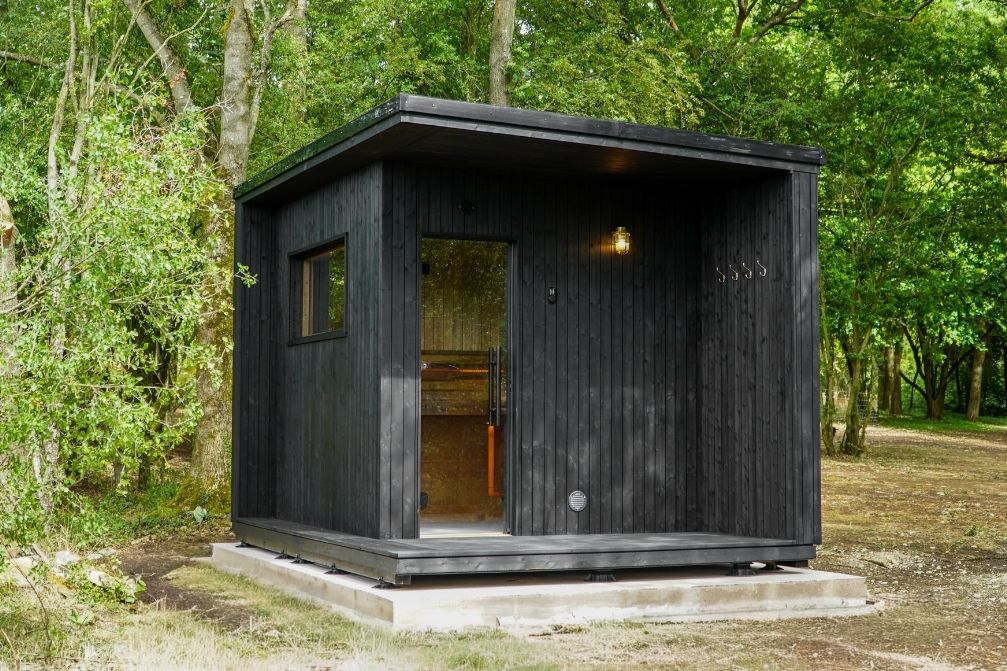
Choosing the right outdoor sauna starts with understanding the space it will sit in, how it will be used, and the kind of experience you want it to create.
For homeowners, an outdoor sauna might become a private wellness space in the garden, a quiet retreat after exercise, a poolside addition, a place to unwind as a family, or part of a wider spa-at-home setup with a cold plunge, shower and landscaped relaxation area.
For commercial spaces, such as hotels, spas, gyms, retreats, holiday lets and wellness venues, the focus may be on creating a memorable guest or member experience that feels premium, durable and easy to operate.
In both cases, the best outdoor sauna is the one that feels right for the setting, supports how people will use it, and continues to perform well over time.
Start with how the sauna will be used
Before thinking about size, style or specification, it helps to start with how the sauna will actually be used.
For a home, this might be about creating a space for daily relaxation, recovery after training, quiet evening rituals, family time, or a more complete garden wellness experience. Some homeowners want a sauna close to the house so it becomes part of everyday life. Others prefer a more secluded position within the garden, creating a sense of retreat and separation from the main home.
For a commercial setting, the questions are slightly different. You may be thinking about guest experience, member use, booking capacity, staff operation, cleaning routines, durability and how the sauna adds value to the wider space.
A boutique hotel may want a sauna that feels like a luxury guest amenity. A gym may need something robust and easy to manage. A retreat venue may want the sauna to form part of a wider wellness journey. A holiday let may use it to create a more distinctive and memorable stay.
To start with, it’s useful to have the answers to these questions:
- Who will use the sauna?
- How many people need to use it at one time?
- Will it be used privately, socially or commercially?
- Will users mostly sit upright, stretch out or lie down?
- Will it form part of a wider wellness space?
- How often will it be used?
- Does it need to be simple for guests, staff, members or family to operate?
- Is remote operation or pre-heating important?
A compact sauna may be right for a smaller garden, private home or boutique stay. A larger sauna may be better suited to a family home, poolside setting, hotel, gym, spa or retreat where several people may use the space throughout the day. The right choice begins with being clear on the role the sauna needs to play.
Think carefully about the setting
The location of your sauna has a big impact on how it feels and how often it gets used.
For homeowners, the sauna could sit close to the house for convenience, beside a pool, near a garden gym, at the end of a landscaped path, or within a dedicated wellness area. The best position will depend on how you use your outdoor space and how you want the sauna experience to feel.
Some people want the sauna to be easy to access in all seasons. Others want it to feel more like a destination within the garden, creating a sense of escape. Both approaches can work well when the positioning is considered properly.
For commercial spaces, positioning is just as important. A sauna at a hotel, spa, gym or retreat should feel connected to the overall guest journey. It needs to be easy to find, simple to manage and positioned in a way that supports privacy, comfort and flow around the wider site.
You’ll need to consider the following when thinking about the positioning of your outdoor sauna:
- The route to and from the sauna
- Privacy from neighbours, guests or public areas
- Views from inside the sauna
- How the sauna relates to the house, garden, landscape or wider site
- Access for delivery and installation
- Proximity to electrical supply
- Drainage and ground conditions
- Space around the sauna for cooling down, seating or maintenance
Choose a size that suits both the space and the experience
Size is one of the most important decisions when choosing an outdoor sauna.
It can be tempting to choose the largest sauna that will physically fit, but bigger is not always better. A sauna should feel comfortable and generous inside, while still sitting naturally within its surroundings.
For a residential project, the right size depends on the way the sauna will be used. A couple may want something intimate and easy to heat regularly. A family may want more flexibility. A homeowner creating a full garden wellness area may want enough room to stretch out, host friends or use the sauna alongside a cold plunge or outdoor shower.
For commercial environments, capacity becomes a more operational decision. A hotel, spa, gym or retreat may need to accommodate several users at a time, support back-to-back sessions, or work around private bookings and guest flow.
As a general guide, smaller saunas are well suited to private gardens, couples, compact spaces and boutique accommodation. Mid-sized saunas offer more flexibility for families, guests and small groups. Larger saunas are better suited to commercial use, group bookings, poolside spaces or settings where the sauna is expected to be a key part of the experience.
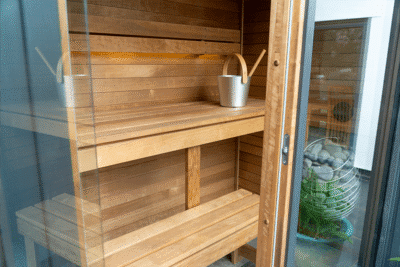
The key is to think about usable internal space, not just external dimensions. Bench layout, ceiling height, glazing, heater position and circulation all affect how spacious and comfortable the sauna feels.
Consider the style of your home, garden or brand
An outdoor sauna should feel visually connected to its surroundings.
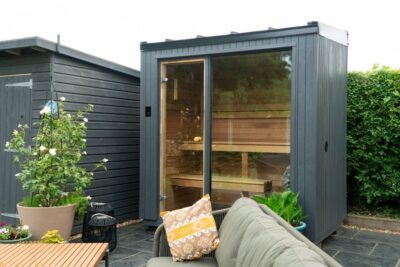
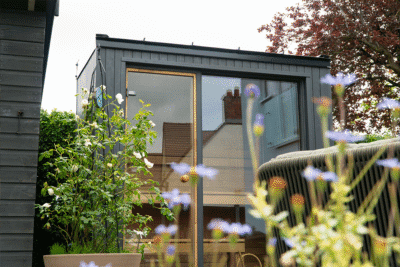
For a home, this might mean designing a sauna that complements the architecture of the house, sits naturally within a landscaped garden, or becomes a more distinctive feature in its own right. Some homeowners prefer the sauna to blend quietly into the garden, while others want it to feel like a statement piece.
For a commercial space, the sauna also needs to reflect the wider brand experience. A boutique hotel, countryside retreat, luxury spa, gym, holiday let or wellness venue may all need a different feel.
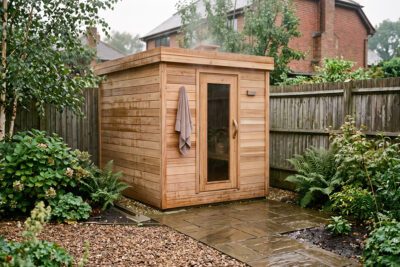
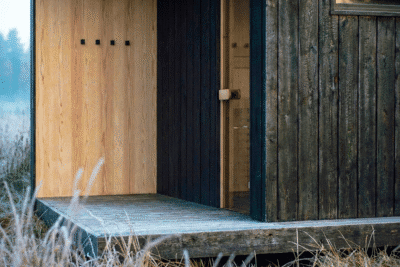
Some spaces suit a soft, natural timber finish. Others call for a darker, more contemporary look. In architect-designed gardens or modern homes, clean lines and refined detailing may be important. In rural or natural settings, warmer tones and a more understated presence may feel more appropriate.
Think about whether the sauna should blend in or stand out. Will it be visible from the house, hotel rooms, treatment areas, gym floor, garden terrace or main outdoor seating space? Will it form part of a first impression? Does the finish support the quality of the experience you want to create?
Decide what kind of sauna experience you want
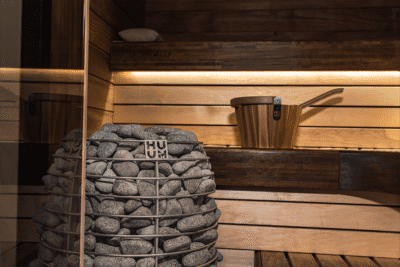
Not all saunas create the same experience. A traditional sauna uses a heater and sauna stones to create a high-heat environment. Water can be added to the stones to create steam and a more intense heat experience. This is the classic sauna experience many people associate with Nordic sauna culture.
An infrared sauna works differently, using infrared panels to warm the body more directly at lower air temperatures. Some people enjoy infrared, but it is a different experience to a traditional sauna.
For many residential and commercial outdoor sauna projects, a traditional electric heater offers a strong balance of performance, convenience and ease of use. It gives a proper sauna experience, works well in an outdoor setting, and can be paired with modern controls.
For home users, this means the sauna can be ready when they want to use it. For commercial operators, it can make the sauna easier to manage as part of a daily routine.
The heater should always be matched properly to the sauna volume, insulation, layout and intended usage. An undersized heater may struggle to bring the sauna up to temperature efficiently. A poorly specified setup can affect comfort, performance and ease of operation.
Think about ease of use
For homeowners, ease of use often means being able to switch the sauna on without hassle, heat it before arriving home, and enjoy it regularly without it feeling like a big event.
WiFi controls can be especially useful, allowing the sauna to be pre-heated before returning from a walk, cycle, gym session, dinner out or day away. For many people, this is what helps turn the sauna from an occasional luxury into something that becomes part of everyday life.
For commercial customers, ease of use also includes staff operation, guest instructions, cleaning access, simple controls and reliable performance. A sauna in a hotel, spa, gym or holiday let needs to feel effortless for the people managing it, not just enjoyable for the people using it.
When thinking about features for your outdoor sauna, consider the following:
- Simple controls
- WiFi operation
- Reliable electric heating
- Good internal lighting
- Comfortable bench layout
- Clear ventilation
- Durable materials
- Easy access for cleaning and maintenance
- A practical route to and from the sauna
Choose materials that are suitable for sauna use
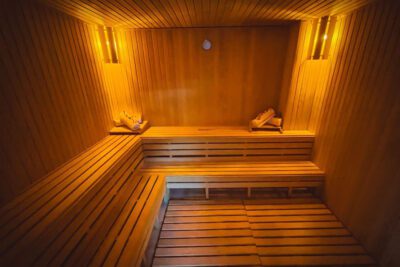
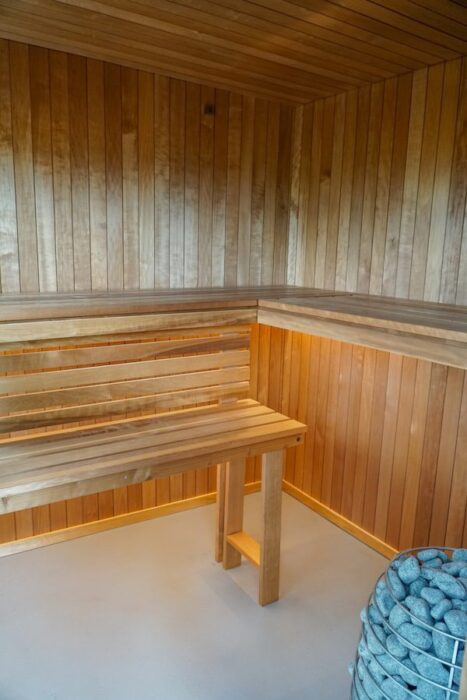
The materials used inside and outside your sauna matter. Inside the sauna, timber needs to be suitable for high temperatures, regular heat cycles and skin contact. A good internal sauna timber should feel comfortable, stable and refined.
Thermo aspen, for example, is a popular choice for premium sauna interiors because of its smooth appearance, warm tone and suitability for sauna environments.
For residential use, the interior should feel warm, relaxing and comfortable. For commercial use, it also needs to stand up to more frequent sessions, repeated cleaning and a wider range of users.
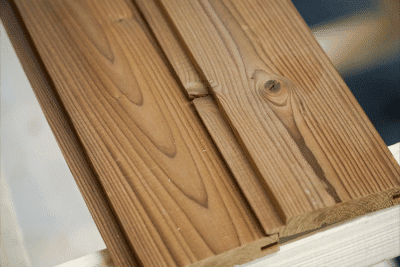
Externally, the sauna needs to be designed for outdoor conditions. In the UK, that means rain, wind, changing temperatures and long periods of exposure. The structure, roof, membranes, cladding and base details all contribute to how well the sauna performs over time.
Make sure the base is suitable
Every outdoor sauna needs a stable and suitable base. The right foundations will depend on the size of the sauna, the condition of the ground, the garden or site layout, and the type of installation.
Concrete pads, concrete posts, ground screws and concrete bases can all be appropriate in different situations. The aim is to create a level, stable foundation while protecting the timber structure from direct ground contact and standing water.
For home installations, the sauna might be positioned on a patio, beside a pool, within a landscaped garden, on a dedicated base, or as part of a larger outdoor living area. For commercial projects, the base may need to be considered alongside landscaping, guest access, drainage, external finishes, maintenance routes and wider site planning.
This is something to think about early. The base can affect cost, lead time, installation planning and the final position of the sauna.
Check the electrical requirements early
Most outdoor saunas with electric heaters will need a dedicated electrical supply. The exact requirements depend on the heater size, controls, lighting and any additional features. Some saunas may be suitable for a single-phase supply, while larger heaters or more complex commercial installations may require a different electrical specification. It is always worth checking this early in the process so there are no surprises later.
For homeowners, this usually means understanding what the property can support and making sure the electrician has the right information. For commercial customers, it may involve a wider discussion around site infrastructure, operating hours, usage levels and coordination with other trades or contractors.
A professional sauna supplier should be able to provide clear information for your electrician, including the required supply, control system requirements and installation sequence. The sauna, heater and electrical supply should always be specified together.
Consider privacy, outlook and comfort
A sauna is a place to relax, so privacy matters.
In a residential garden, this might mean thinking about neighbours, upstairs windows, boundary lines, planting, fencing and the direction of any glazing. Some homeowners may want a wide view into the garden, while others may prefer a more enclosed and private atmosphere.
In a commercial space, privacy is equally important, but the considerations may be different. Guests or members should feel comfortable moving between changing areas, showers, plunge pools, relaxation spaces and the sauna itself.
The view from inside the sauna is also worth considering.
A carefully positioned window or glass door can make the sauna feel more connected to the outdoors. Looking out onto planting, trees, a garden, courtyard, pool or natural landscape can make the experience feel calmer and more memorable.
Think about the wider experience around the sauna
For a home, the surrounding space might include a terrace, cold plunge, outdoor shower, pool, seating area, planting, lighting or a quiet path through the garden. Even a simple area for cooling down between rounds can make the sauna feel much more enjoyable to use.
For a commercial space, this becomes even more important. The sauna may form part of a larger wellness journey, alongside changing rooms, showers, plunge pools, treatment areas, gym facilities or outdoor relaxation spaces.
Think about how people will move in and out of the sauna. Where will they cool down? Where will towels be stored? Is there somewhere to sit between rounds? Will users need clear instructions? Is the surrounding area safe and practical in wet weather? Could the space be expanded or upgraded later?
Choose a supplier who understands the full project
An outdoor sauna is a considered investment, whether it is for a private home or a commercial setting. The right supplier should be able to guide you through more than just the sauna itself. They should help you think about size, positioning, layout, materials, base preparation, electrics, heating, controls, installation and aftercare.
For homeowners, this gives reassurance that the sauna will be right for the property, the garden and the way it will be used. For commercial clients, it also gives confidence that the sauna will support the wider guest or member experience, operate reliably and fit within the practical requirements of the site.
Good advice should feel specific to your space, not like a generic product is being delivered to you without any of these considerations.
Thinking about an outdoor sauna for your space?
If you are exploring the idea of an outdoor sauna for your home, garden or commercial space, feel free to get in touch with us at True North. We can help you understand what would work best for your setting, talk through the different options, and guide you through the process from initial ideas to installation.
Whether you are looking for a private garden sauna, a poolside wellness space, a family retreat, or a larger outdoor sauna for a hotel, spa, gym, retreat or holiday let, we would be happy to help you choose the right sauna for your space.