Blog
Outdoor sauna setup: What actually impacts performance

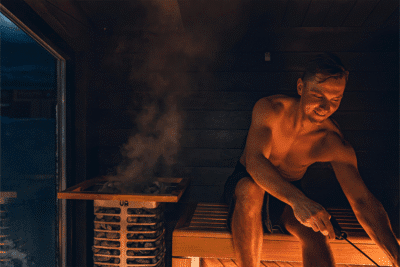
When people start comparing outdoor saunas, the conversation almost always centres around the heater. Buyers want to know how powerful it is, how quickly it reaches temperature and what maximum heat it can achieve.
While the heater is undoubtedly important, it is only one part of the equation.
In practice, the best sauna experiences are rarely defined by how much heat is generated. They are defined by how effectively that heat is retained, distributed and maintained throughout the session. Two saunas can use the same heater, reach the same temperature and deliver completely different experiences.
This is why sauna performance should be viewed as a system rather than a specification. The quality of insulation, the design of the structure, the airflow strategy, the materials used and even the position of the sauna within the garden all influence how the heat behaves once it has been created.
Understanding these factors makes it much easier to distinguish between a sauna that simply gets hot and one that performs consistently for years.
Insulation is the foundation of performance
If there is one factor that has the greatest influence on outdoor sauna performance, it is insulation.
An outdoor sauna is constantly exposed to changing conditions. During winter, there may be a difference of 80°C or more between the temperature inside the sauna and the temperature outside. Without effective insulation, heat escapes rapidly through the walls, roof and floor, forcing the heater to work harder to maintain temperature.
This affects more than just energy efficiency. Poor insulation often leads to longer warm-up times, greater temperature fluctuation and a less stable environment overall. The sauna may eventually reach the desired temperature, but it is far more difficult to hold it consistently throughout the session.
A properly insulated sauna behaves differently. Once the structure has absorbed heat, it retains it effectively, creating a more predictable and enjoyable experience. The heater spends less time compensating for heat loss and more time maintaining comfortable conditions.
Heat distribution matters as much as heat generation
One of the most common misconceptions about saunas is that temperature alone determines quality.
In reality, the way heat is distributed throughout the room often has a greater impact on comfort than the actual temperature reading itself.
Poorly proportioned saunas can develop significant heat stratification, where the air near the ceiling becomes extremely hot while the lower part of the room remains noticeably cooler. This often leaves users with hot shoulders and cold feet, creating an uneven and sometimes uncomfortable experience.
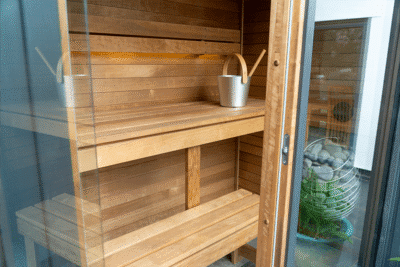
Good sauna design takes this into account from the outset. Bench heights, ceiling heights and internal dimensions are carefully considered so that users sit within the most effective heat zone. When these elements are balanced correctly, the heat feels more enveloping and consistent throughout the body.
The result is a sauna that feels better to use, even when operating at the same temperature as a less well-designed alternative.
Build quality influences every session
Many of the factors that determine sauna performance are hidden from view.
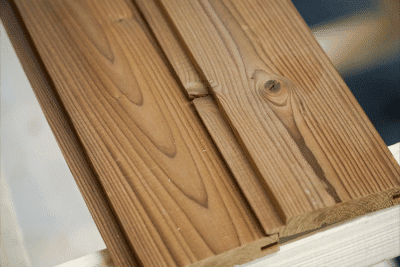
Panel connections, sealing details, structural alignment and construction tolerances may not be visible once the sauna is complete, but they have a significant impact on how the structure performs over time.
Even small gaps can allow warm air to escape continuously. While these losses may seem insignificant in isolation, they accumulate throughout every heating cycle. The sauna becomes less efficient, temperature stability suffers and the overall experience becomes harder to control.
This is why build quality should never be viewed purely as a durability consideration. It is also a performance consideration.
A well-constructed sauna feels more controlled because it is more controlled. Heat behaves predictably, temperatures remain stable and the structure performs as intended.
Ventilation is often misunderstood
When discussing sauna performance, ventilation rarely receives the attention it deserves.
Many people assume that a sauna should simply be sealed as tightly as possible in order to retain heat. In reality, a sauna also requires carefully managed airflow to function properly.
Fresh air must be introduced into the space while humid air is allowed to leave. Without this exchange, the environment can quickly feel heavy, stale and uncomfortable, particularly during longer sessions.
At the same time, excessive airflow creates its own problems. Too much ventilation can strip heat from the room and make it difficult to maintain consistent temperatures.
The best sauna ventilation systems achieve a balance between these two requirements. They provide enough airflow to keep the environment fresh while preserving the thermal stability needed for an effective sauna experience.
When ventilation is working properly, most users never think about it. They simply notice that the sauna feels comfortable.
The heater still matters – but only when it matches the sauna
While the heater is not the whole story, it remains an important part of the system.
The key is ensuring that the heater is appropriately matched to the size, insulation levels and design of the sauna. An undersized heater may struggle to achieve and maintain target temperatures, particularly during colder weather. An oversized heater can create rapid temperature swings and make the sauna harder to regulate.
Control systems are equally important. Reliable temperature control allows users to recreate the same conditions repeatedly, whether they are using the sauna for recovery, relaxation or performance-focused heat exposure.
Consistency is one of the most valuable aspects of sauna ownership. A system that behaves predictably encourages regular use and delivers a more reliable experience over time.
Placement influences performance more than many people realise
Even a well-built sauna can struggle if it is positioned poorly.
Outdoor saunas operate within the wider environment, which means factors such as wind exposure, sunlight, drainage and accessibility all influence performance to some degree.
Wind is particularly important. Exposed locations experience greater heat loss and place increased demands on the heater, especially during the winter months. Every time the door opens, temperature recovery becomes more difficult.
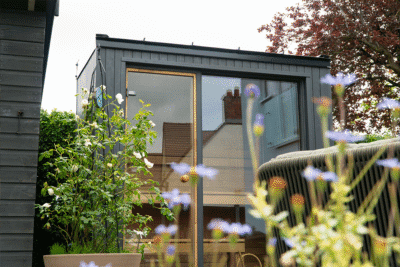
Positioning the sauna near existing shelter such as walls, fencing or landscaping can significantly improve performance without compromising the outdoor experience. Good placement helps create a more stable environment and allows the sauna to operate more efficiently throughout the year.
Materials help shape the heat experience
The materials used inside a sauna do more than influence appearance.
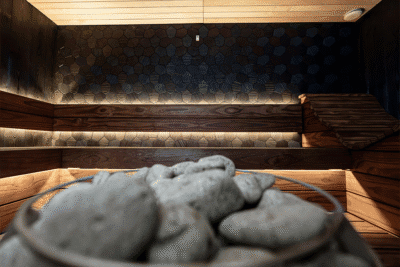
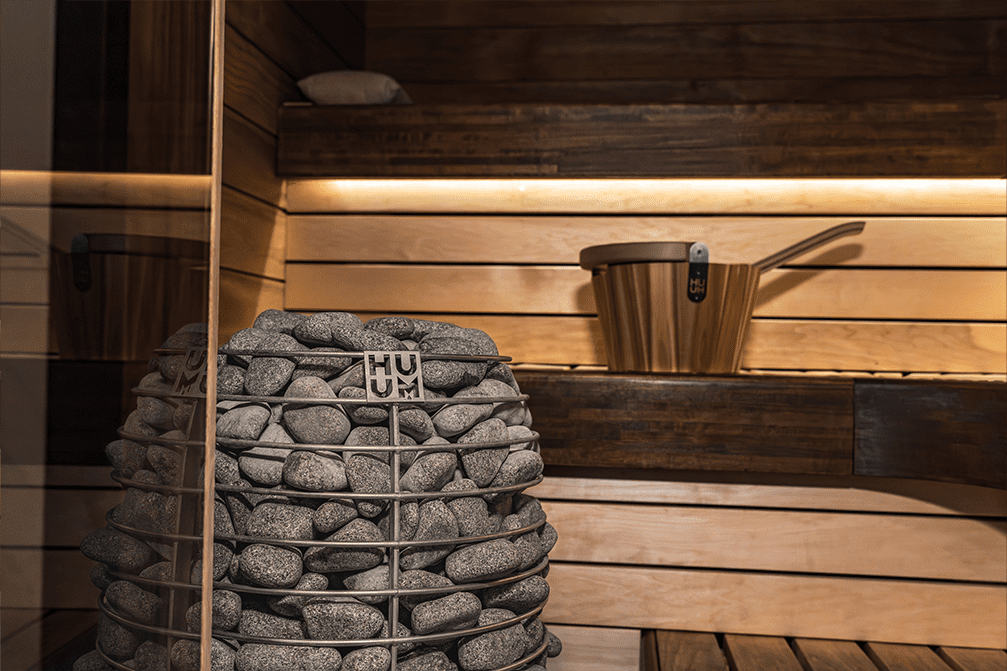
Timber, sauna stones and internal finishes all interact with heat in different ways. Quality timber absorbs warmth gradually and contributes to a softer, more comfortable environment. Sauna stones act as thermal storage, helping smooth out temperature fluctuations and creating the conditions needed for effective löyly when water is applied.
These materials help transform raw heat into a more balanced and enjoyable experience.
Without sufficient thermal mass, heat can feel sharp, inconsistent or difficult to control. With it, the sauna develops a more stable character that users often describe as gentler, even at higher temperatures.
Installation quality completes the system
The final stage of performance is installation.
A sauna may be designed and manufactured to an exceptionally high standard, but poor installation can undermine many of those advantages. An uneven base, misaligned panels or inadequate sealing can introduce issues that affect performance from the very first heating cycle.
Professional installation ensures that every element functions as intended. The structure remains square, connections are sealed correctly and the sauna operates as a complete system rather than a collection of individual components.
Like any performance-focused environment, the details matter.
Consistency is the true measure of performance
Perhaps the biggest misconception about sauna performance is the belief that higher temperatures automatically mean better results.
In reality, consistency is usually a far better indicator of quality.
A sauna that reaches 90°C but struggles to maintain it will often feel less comfortable than one that holds a steady 80°C throughout the entire session. Temperature fluctuations interrupt the experience, create uneven conditions and make it harder to achieve repeatable results.
The best outdoor saunas are not necessarily the hottest.
They are the most consistent.
They warm up efficiently, retain heat effectively and deliver the same reliable experience whether it is a calm summer evening or a cold winter morning.
How True North approaches sauna performance
At True North, we believe performance is created through the interaction of multiple factors rather than any single feature.
Insulation, structural design, ventilation, material selection and installation quality are all considered as part of a complete system. The goal is not simply to achieve a high temperature but to create a stable, predictable environment that performs consistently throughout the year.
Because ultimately, the best sauna is not the one that feels impressive for a single session.
It is the one that delivers the same exceptional experience hundreds of sessions later.
Outdoor sauna performance depends on far more than the heater alone.
Insulation, airflow, build quality, materials, placement and installation all influence how heat behaves within the space. When these elements work together, the result is a sauna that feels comfortable, efficient and reliable regardless of the season.
Understanding these factors helps buyers look beyond simple specifications and focus on what really matters: creating a sauna that performs consistently for years to come.