Blog
Where to place your outdoor sauna (and why it matters more than you think)

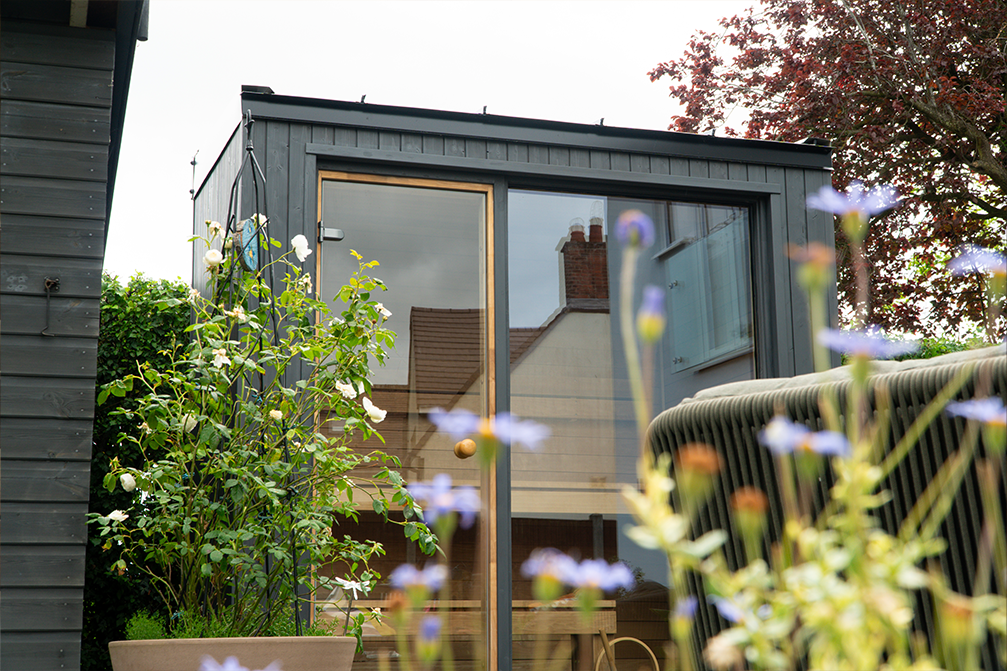
When planning an outdoor sauna, most people focus on the structure itself. They compare sizes, timber options, heater specifications and design features, often spending weeks researching the right model. Yet one of the most important decisions is usually made much more quickly: where the sauna will actually sit.
The location of an outdoor sauna affects far more than the appearance of your garden. It influences how efficiently the sauna heats, how comfortable it feels to use throughout the year and how often it becomes part of your routine. A well-built sauna placed in the wrong location can be frustrating to use, while a thoughtfully positioned sauna often becomes a seamless part of daily life.
This is particularly important in the UK, where weather conditions can change dramatically throughout the year. Wind, rain, drainage and accessibility all have a direct impact on the ownership experience. Choosing the right location from the outset helps ensure the sauna performs as intended and continues to do so for many years to come.
Start by thinking about how you’ll actually use it
Before looking at measurements, boundaries or landscaping plans, it is worth asking a simple question: how will you realistically use the sauna on a weekly basis?
Many people imagine themselves using their sauna on bright summer evenings, but most long-term sauna users know that the real test comes during the colder months. If the route to the sauna involves crossing muddy grass, navigating poorly lit areas or walking a significant distance from the house, those small inconveniences can gradually reduce how often it gets used. What feels insignificant on installation day can become surprisingly important in January.
For this reason, the best sauna locations are often those that fit naturally into the way you already move around your home and garden. A direct path from the house, good lighting and easy access in all weather conditions make it far easier to maintain a consistent routine. Over time, convenience becomes one of the biggest drivers of regular sauna use.
This doesn’t necessarily mean positioning the sauna as close to the house as possible. In some gardens, a slightly more secluded location may offer greater privacy and a better overall experience. The key is finding a balance between accessibility and atmosphere rather than prioritising one at the expense of the other.
The foundation beneath the sauna matters more than most people realise
Once a suitable location has been identified, attention should turn to the ground itself.
An outdoor sauna needs a stable, level foundation capable of supporting the structure over the long term. Any movement in the base can affect the alignment of doors, windows and wall panels, which in turn can influence heat retention and overall performance. While these issues may not be immediately visible, they often become apparent over years of use.
Drainage is equally important. Outdoor saunas are exposed to rain, changing temperatures and fluctuating ground conditions throughout the year. If water collects around the base of the structure, it can increase moisture exposure and accelerate wear on surrounding materials. Good drainage helps protect the sauna and reduces the likelihood of future maintenance issues.
For this reason, a location with solid ground conditions will often outperform a more visually appealing position elsewhere in the garden. A strong foundation creates the platform for long-term reliability.
Consider how wind affects performance
When people think about protecting an outdoor sauna from the elements, rain is usually the first concern. In reality, wind often has a greater influence on how the sauna performs throughout the year.
Strong prevailing winds increase heat loss from the exterior of the structure and make it more difficult to maintain stable temperatures, particularly during the winter months. Each time the door is opened, heat escapes more rapidly, requiring the heater to work harder to restore the desired temperature. Over time, this can affect both efficiency and user experience.
Fortunately, addressing wind exposure does not require hiding the sauna away. In many gardens, existing features such as hedges, walls, fencing or changes in landscape can provide valuable protection without compromising aesthetics. Strategic positioning can reduce exposure while still allowing the sauna to feel connected to the outdoor environment.
A sheltered location generally delivers a more consistent sauna experience, especially during periods of challenging weather.
Finding the right balance between sunlight and shade
Natural light can significantly influence how a sauna feels within a garden setting.
A location that receives morning or afternoon sunlight often feels more inviting and enjoyable to use. During the colder months, sunlight can help warm the surrounding area and create a brighter, more welcoming environment. This may seem like a small detail, but it can have a noticeable impact on how frequently the sauna is used.
At the same time, constant exposure to direct sunlight should be considered carefully. All external timber is affected by weathering over time, and prolonged UV exposure can accelerate this process. While high-quality materials such as thermo-treated timber are designed to perform well outdoors, thoughtful positioning can still help preserve appearance and reduce maintenance requirements.
Rather than choosing between full sun or complete shade, the most successful installations often benefit from a combination of both. A location that captures some natural light while retaining periods of shelter generally provides the best balance between comfort and longevity.
Privacy plays a bigger role than many people expect
A sauna is ultimately a place to switch off, recover and spend uninterrupted time away from daily distractions. Because of this, privacy often has a greater influence on the experience than buyers initially anticipate.
Even if a sauna is technically functional in a highly visible part of the garden, it may not feel particularly relaxing to use. Being overlooked by neighbouring properties, footpaths or nearby buildings can subtly change how comfortable people feel during a session. Over time, this can affect how often the sauna is used.
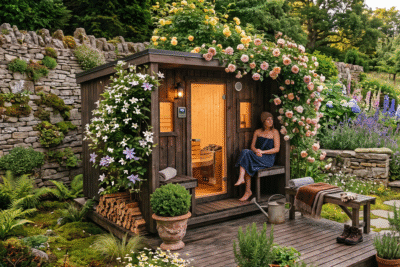
Creating privacy does not necessarily require tall fencing or extensive screening. In many cases, careful positioning alone is enough. Changing the orientation of the sauna, taking advantage of existing landscaping or incorporating strategic planting can all help create a greater sense of separation from surrounding spaces.
The goal is not isolation. It is creating an environment that feels comfortable, calm and free from unnecessary distractions.
Think about what happens outside the sauna too
The best sauna experiences are not confined to the space inside the cabin.
Whether you are using a sauna for recovery, stress management or general wellbeing, the period immediately after a session is an important part of the overall experience. Fresh air, gradual cooling and a comfortable place to sit can all enhance the benefits of heat exposure.
This is why it is worth considering the surrounding area during the planning stage. Some homeowners choose to incorporate an outdoor shower, while others create a simple seating area nearby. Even a modest amount of usable space around the sauna can improve how the environment functions as a whole.
Thinking about the entire experience rather than just the building often leads to better outcomes and greater long-term enjoyment.
Practical constraints should be considered early
Every garden presents its own opportunities and limitations. Boundaries, neighbouring structures, access routes and service connections all influence where a sauna can realistically be positioned.
Considering these factors at the beginning of the project helps avoid unnecessary compromises later. Installation access is a particularly important consideration, especially for larger structures that need to be delivered in pre-built sections or assembled on site.
It is also worth thinking about future maintenance access. Leaving adequate space around the sauna makes inspections, cleaning and ongoing care significantly easier over the life of the structure.
Good planning at this stage usually saves both time and frustration later on.
Why location influences long-term performance
The effects of sauna placement are rarely obvious on day one.
Instead, they reveal themselves gradually over years of ownership. A sauna exposed to excessive wind may require more energy to maintain temperature. Poor drainage may increase wear on surrounding materials. Difficult access may reduce how often the sauna is used. Individually, these issues can seem relatively minor. Collectively, they have a significant impact on performance and enjoyment.
By contrast, a sauna positioned with care tends to perform more consistently across all seasons. It feels easier to use, retains heat more effectively and integrates naturally into everyday life. Those advantages compound over time and often make the difference between a sauna that is occasionally used and one that becomes a genuine part of a weekly routine.
How True North approaches sauna placement
At True North, we view sauna placement as an important part of the design process rather than an afterthought once the structure has been chosen.
When discussing a project, we consider how the sauna will be accessed, how it interacts with the surrounding environment and how external conditions may influence long-term performance. Factors such as drainage, privacy, exposure and day-to-day usability all contribute to the final recommendation.
The aim is not simply to find somewhere the sauna will fit. It is to find a location where the sauna can perform at its best and become a natural extension of the home.
Choosing where to place an outdoor sauna is about much more than making it look good in the garden.
The right location improves accessibility, supports heat retention, protects the structure from unnecessary exposure and creates a more enjoyable user experience throughout the year. It also increases the likelihood that the sauna will become a regular part of your routine, which is ultimately where the greatest benefits are realised.
By considering access, ground conditions, privacy, weather exposure and the wider environment, homeowners can create a sauna space that performs consistently and feels effortless to use. When these factors are considered from the beginning, the result is not just a better installation, but a better ownership experience for years to come.