Blog
Sauna and Cold Plunge: How to Combine Them Properly

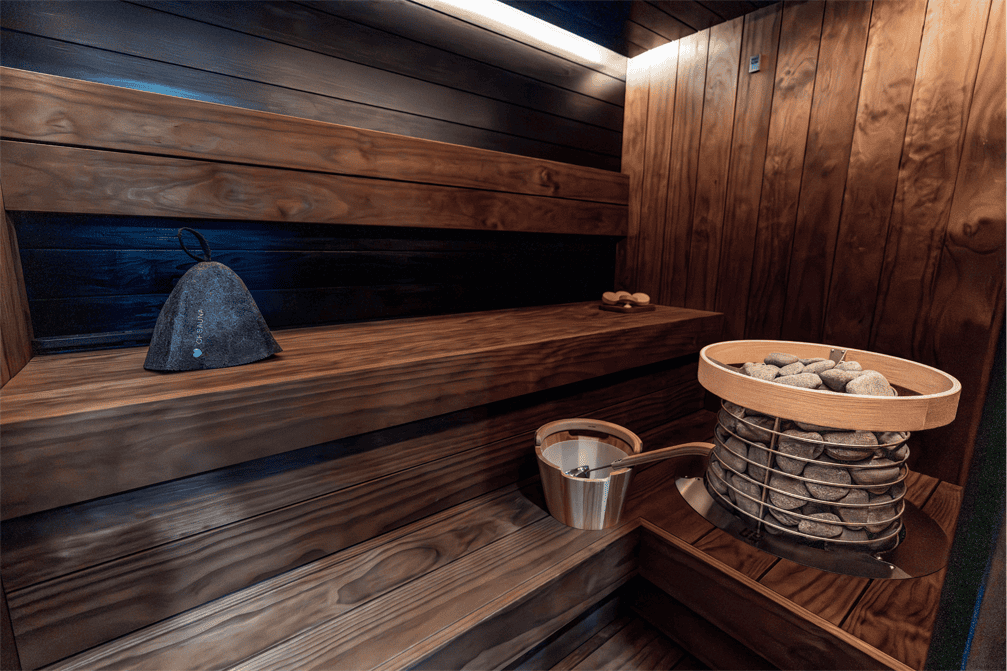
Sauna and cold exposure are often grouped together as part of a wider approach to recovery, performance and wellbeing. From athletes incorporating contrast therapy into their training routines to people creating dedicated wellness spaces at home, the combination of heat and cold has become an increasingly popular way to introduce controlled environmental stress into everyday life.
However, simply moving between hot and cold does not automatically produce better results. The order, duration and intensity of each exposure can influence how the experience feels and how it fits into your wider routine. Your goals also matter, particularly if you are using contrast therapy to support recovery after exercise rather than simply to relax and unwind.
When approached thoughtfully, sauna and cold exposure can offer complementary experiences. Heat encourages the body to regulate its temperature and can create a sense of relaxation, while cold exposure introduces a different physiological challenge that many people find invigorating. The aim is to find a balance that suits your needs without turning every session into a test of endurance.
The goal is not to see how much discomfort you can tolerate. It is to create a routine that you can approach consistently, comfortably and with a clear understanding of what you want to achieve.
Why heat and cold work differently
Sauna and cold exposure produce different physiological responses, which is part of what makes combining them appealing. In a sauna, the body works to manage the increase in temperature by directing more blood towards the skin and increasing sweating. Heart rate also rises, creating a cardiovascular response to the heat. Cold exposure introduces a different challenge, triggering an immediate response as the body attempts to preserve heat and maintain its core temperature.
Moving between these environments creates a sequence of changing demands. Rather than remaining in one temperature for the duration of a session, the body has to respond to different conditions, making contrast therapy a distinct experience from using heat or cold independently.
However, it is important not to assume that alternating temperatures automatically improves circulation, accelerates recovery or produces greater long-term benefits. Research into contrast therapy varies depending on the method used, the population studied and the outcome being measured. Some people report improvements in perceived recovery and how they feel after exercise, but the evidence does not establish one universally superior protocol.
The most useful approach is to understand what each exposure offers, consider your individual goals and avoid increasing the intensity simply because you believe more discomfort will produce better results.
Start with heat, not cold
For many people, beginning with the sauna provides a comfortable introduction to a contrast session. The heat allows the body to warm gradually, encourages sweating and gives you time to settle into the experience before introducing the more immediate sensation of cold water.
Starting with heat can also make the session feel more controlled, particularly if you are already familiar with sauna use but new to cold exposure. Rather than moving straight into an intense cold plunge, you have an opportunity to become comfortable with the first stage before deciding whether to introduce the second.
That said, there is no single sequence that has been established as best for every purpose. The ideal order may depend on your goals, the type of exercise you have completed and how your body responds to each temperature. If your priority is simply to enjoy a sauna followed by a brief cold shower, there is no need to follow a complex protocol.
Think of the heat and cold phases as separate elements of a routine, each with its own demands. The aim is to combine them in a way that feels purposeful rather than treating the transition itself as the main event.
Getting the sauna phase right
The purpose of the sauna phase is to allow the body to warm up comfortably while you experience the heat. For many experienced sauna users, a session of around 10 to 15 minutes may be a useful starting point, although the appropriate duration will depend on the temperature, your experience and how well you tolerate the conditions. Longer sessions are not automatically more beneficial, and there is no need to remain inside until the heat becomes difficult to manage.
Traditional saunas often operate at temperatures around 70°C to 95°C, but the experience will vary according to humidity, ventilation and the design of the sauna. A lower temperature can still provide a meaningful heat experience, particularly if you are new to sauna use or prefer a more gradual approach. Rather than chasing a particular reading on the thermometer, pay attention to your comfort and how your body responds.
Sweating is a normal response to heat, but it should not be treated as a measure of how effective the session has been. The aim is not to sweat as much as possible or to push through discomfort. Focus on breathing comfortably, allowing yourself time to adjust and leaving the sauna if you feel dizzy, nauseated or unusually weak.
Once you finish the heat phase, take a moment to assess how you feel before moving into cold exposure. This is particularly important if you have been exercising beforehand, as the additional demands of training, heat and fluid loss can accumulate.
Keep cold exposure controlled
Cold exposure is often the part of contrast therapy that attracts the most attention, but it is also where people can be tempted to push too far. The sudden sensation of cold water can trigger an involuntary gasp and rapid breathing, particularly when the temperature is very low. This response can feel intense, and trying to remain in the water for longer than you can comfortably manage is not necessary to make the experience worthwhile.
For someone who is already accustomed to cold water, a brief exposure may be enough to create the desired invigorating effect. However, there is no universally established duration that guarantees a meaningful physiological benefit, and the appropriate exposure depends heavily on water temperature, individual tolerance and experience. Colder water creates a more intense stimulus, so a shorter exposure may be more appropriate than it would be in milder conditions.
If you are new to cold exposure, begin conservatively and consider starting with a cool shower rather than an ice bath. Avoid sudden, extreme changes in temperature, and never treat the ability to tolerate discomfort as a measure of success. If your breathing becomes difficult to control, you feel numbness or pain, or you begin to feel unwell, leave the water safely.
Cold-water immersion also carries risks that should not be overlooked. Sudden immersion can place significant demands on the cardiovascular system, so people with cardiovascular conditions or other relevant medical concerns should seek medical advice before attempting it. Never practise cold immersion alone in circumstances where you could struggle to exit the water safely.
The objective is to introduce a manageable stimulus, not to see how long you can endure the cold.
How many rounds should you complete?
Once you become familiar with both heat and cold exposure, you may want to alternate between the two during a single session. Two or three rounds are often used in contrast therapy routines, but the number of cycles should be guided by your experience, the intensity of each phase and how you feel throughout the session.
A simple routine might involve a short sauna session followed by a brief period of cold exposure, with an opportunity to rest and recover between rounds. For example, you could begin with around 10 minutes in the sauna, move into a brief cool shower or carefully controlled cold exposure, and then assess how you feel before deciding whether to repeat the sequence.
There is no requirement to complete multiple rounds, particularly if you are new to the process. One comfortable cycle may be a better starting point than repeatedly moving between extremes of temperature. As you become more familiar with the experience, you can decide whether additional rounds fit your needs without leaving you feeling excessively fatigued.
It is also worth remembering that a session does not become more effective simply because it includes more transitions. Heat and cold each place demands on the body, and repeatedly increasing those demands can make the experience unnecessarily taxing. A straightforward routine that feels manageable is often easier to maintain than one built around increasingly challenging exposures.
Should you finish with heat or cold?
One of the most common questions about contrast therapy is whether the final phase should be hot or cold. The answer depends on what you want from the experience, although the evidence does not establish a universally superior finishing temperature for every outcome.
If your priority is relaxation, you may prefer to finish with heat or allow yourself to warm up naturally after a brief cold exposure. Many people find this approach more comfortable when using contrast therapy as part of an evening routine, particularly if they want to move into a period of rest afterwards. Allowing your body to cool down gradually following the sauna can also help you feel more comfortable before bedtime.
If you prefer the invigorating sensation associated with cold water, finishing with a brief cold exposure may feel more suitable. Some people enjoy the sense of alertness it creates, making it an appealing option earlier in the day or following a session focused on mental refreshment.
Neither approach should be treated as a rule. Your response will depend on your preferences, the intensity of the session and how you feel afterwards. Experimenting cautiously with the order can help you understand what works for you, provided you avoid abrupt temperature changes that you cannot comfortably tolerate.
Recovery and performance require different approaches
Not every contrast therapy routine should look the same, particularly when exercise is involved. Someone using a sauna and cold shower to unwind after work may have very different priorities from an athlete managing a demanding training schedule. Understanding that distinction can help you decide whether contrast therapy is appropriate and how to incorporate it without adding unnecessary stress.
For general relaxation, the focus can remain on comfort and creating a routine that feels restorative. Moderate heat, brief cold exposure and enough time to recover between phases may provide an enjoyable experience without requiring you to follow a strict protocol. The aim is to finish feeling comfortable rather than exhausted.
For athletes, the timing of cold exposure deserves particular consideration. Cold-water immersion after resistance training may reduce some aspects of the acute inflammatory response, but research suggests that frequent use immediately after strength training could also blunt certain muscle-building adaptations. If building muscle is a primary goal, it may be worth separating cold-water immersion from resistance training rather than automatically including it after every session.
The picture is different when the priority is managing soreness or supporting recovery between closely spaced competitions. In some sporting contexts, cold-water immersion may help reduce perceived muscle soreness, although its effects vary and it is not a substitute for adequate sleep, nutrition or sensible training management. Sauna also introduces additional heat stress, so combining the two immediately after demanding exercise requires consideration of your hydration and overall recovery.
The key is to choose your approach according to the outcome you want, rather than assuming that the same routine will optimise every aspect of performance.
Breathing is an important part of the experience
Temperature tends to dominate the conversation around contrast therapy, but breathing also deserves attention. Moving into cold water can trigger rapid breathing, while the heat of a sauna may make you more aware of your breathing patterns and physical sensations. Learning to remain calm within comfortable limits can make the experience feel more manageable.
During cold exposure, focus on maintaining controlled, natural breathing rather than forcing yourself to take unusually deep breaths or attempting to suppress the body’s response. If you cannot breathe comfortably or feel overwhelmed by the sensation, the exposure is too intense for you at that moment. Leaving the water is a sensible response, not a failure.
In the sauna, allow your breathing to settle naturally and avoid turning the session into a test of how long you can tolerate the heat. There is no need to practise extreme breath-holding or other techniques that could increase the risk of dizziness or loss of consciousness, particularly around hot surfaces or water.
The purpose of paying attention to your breathing is to help you recognise how you are responding to each environment. When you can remain comfortable and in control, it becomes easier to build a routine that you can repeat without unnecessary strain.
More is not always better
It is easy to assume that daily contrast therapy, colder water or longer sauna sessions will produce greater benefits. In reality, increasing the intensity of both heat and cold exposure can add to the demands placed on your body without necessarily improving the outcome you are looking for.
For some people, two to four contrast sessions per week may fit comfortably into their routine, while others may prefer to use the sauna more regularly and introduce cold exposure less frequently. These are practical options rather than evidence-based prescriptions, and the appropriate frequency will depend on your health, experience and the rest of your lifestyle.
Pay attention to how you feel between sessions, not just during them. Persistent fatigue, disrupted sleep, dizziness or difficulty recovering from exercise may indicate that your routine is too demanding or that other aspects of your recovery need attention. If this happens, reduce the intensity or frequency and reassess whether combining heat and cold is appropriate for you.
Consistency should not come at the expense of safety or recovery. A routine that leaves you feeling comfortable and able to continue with your normal activities is more useful than one that repeatedly pushes you beyond your limits.
The environment matters
One of the practical challenges of contrast therapy is having the right environment available when you want to use it. If your routine involves travelling between separate facilities or working around limited opening hours, it can become difficult to maintain consistently. Even a well-planned approach can fall away when the logistics become too complicated.
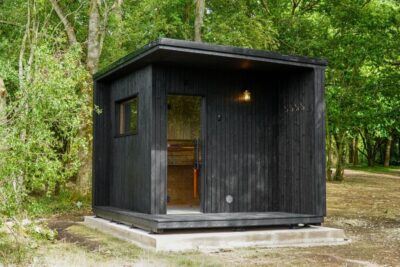
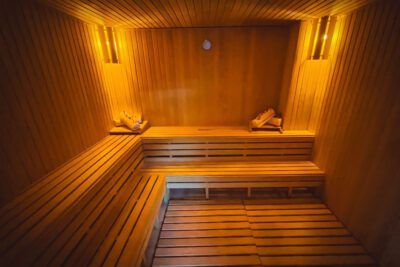
Having a sauna at home offers greater flexibility, allowing you to incorporate heat into your routine at a time that suits your schedule. You can use it after exercise, during a quieter part of the day or as part of an evening wind-down without needing to organise travel. If you also have access to a suitable cold shower or cold-water immersion setup, it becomes easier to explore contrast therapy in a way that fits naturally into your lifestyle.
The quality of the environment matters too. Reliable heating, thoughtful design and a layout that makes the sauna comfortable to use can all contribute to a better experience. The aim is to remove unnecessary barriers so that your routine feels practical rather than complicated.
Ultimately, the most effective approach is one that you can use safely and comfortably over time. Your setup should support the experience, not pressure you into making every session longer or more intense.
How True North approaches contrast therapy
At True North, we see sauna as a considered part of everyday wellbeing, offering a dedicated space to experience heat, slow down and establish a routine that works around your lifestyle. When combined with cold exposure, it can become part of a broader approach to relaxation, recovery and managing the demands of daily life.
The important consideration is how you use these tools together. Heat and cold produce different physiological responses, and the right balance depends on your goals, experience and ability to tolerate each phase. There is no need to pursue extreme temperatures or complicated protocols to make sauna part of a consistent routine.
A thoughtfully designed home sauna gives you the flexibility to choose when and how you use it. Whether you prefer a simple sauna session on its own or occasionally incorporate a brief period of cold exposure, the experience should feel purposeful and sustainable.
Our approach is built around creating sauna spaces that work in everyday life, allowing you to establish a routine that reflects your priorities rather than following a one-size-fits-all formula.
How to structure sauna and cold exposure properly
Combining sauna and cold exposure does not need to be complicated. Begin with a level of heat you can comfortably tolerate, introduce cold exposure gradually if it is appropriate for you, and allow enough time to recover between phases. One or two comfortable cycles may be sufficient for your needs, and there is no requirement to keep going if you feel unwell or excessively fatigued.
Consider your main objective before deciding on the structure of your session. If you are looking to relax, prioritise comfort and give yourself time to cool down afterwards. If your focus is athletic recovery, consider how cold exposure fits alongside your training, particularly if building muscle is a priority. In either case, pay attention to hydration and how your body responds rather than relying on a fixed schedule.
Most importantly, remember that contrast therapy is an option, not a requirement. Sauna can be enjoyed independently, and adding cold exposure does not automatically make a session more effective.
The aim is to find a balance that suits your needs and allows you to return to the experience consistently. When heat and cold are approached with intention, the focus shifts away from chasing extremes and towards building a routine that feels useful, manageable and sustainable over time.