Blog
The components that decide sauna lifespan

Most outdoor saunas look impressive when they are new.
The timber is clean, the heater reaches temperature quickly and every surface feels solid. At that stage, it can be difficult to distinguish between a sauna that will perform well for decades and one that will begin deteriorating within a few years.
The reality is that almost every sauna performs reasonably well at the beginning.
What separates a long-lasting sauna from a short-lived one is how it responds to thousands of heating cycles, changing weather conditions, moisture exposure and everyday use over time. Longevity is rarely determined by a single feature or specification. Instead, it is the result of multiple components working together to maintain stability, efficiency and structural integrity year after year.
Understanding those components is one of the best ways to evaluate the true quality of a sauna before you buy.
The structural frame carries everything
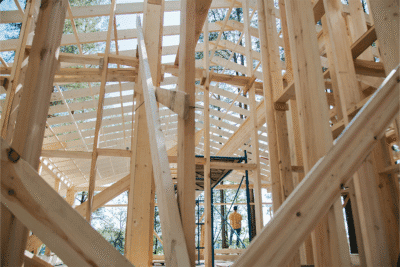
Every sauna begins with its frame.
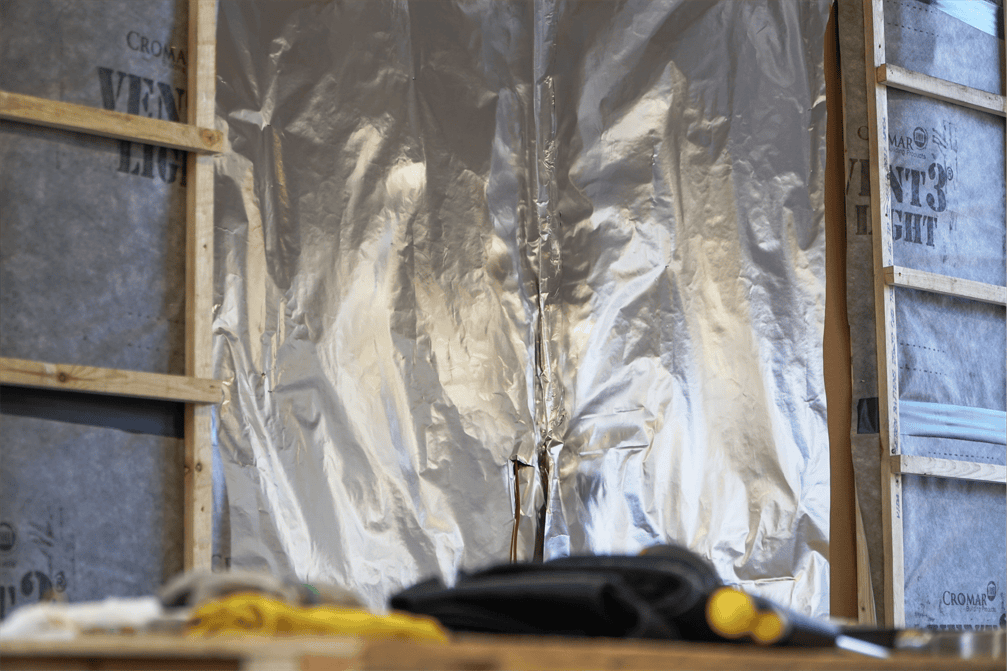
The frame supports the roof, walls, insulation, benches and interior finishes while resisting the forces created by heat, moisture and seasonal movement. It is the part of the sauna that holds everything together, even though it is rarely visible once construction is complete.
When a frame lacks rigidity, problems tend to develop gradually. Doors begin to fall out of alignment, wall panels shift slightly and small gaps start appearing in places they shouldn’t. These changes may seem minor initially, but they often signal wider structural movement that affects performance over time.
A well-engineered frame creates stability throughout the entire structure. It allows the sauna to expand and contract naturally without compromising its integrity.
The longer a sauna is expected to last, the more important the frame becomes.
Timber quality influences how the sauna ages
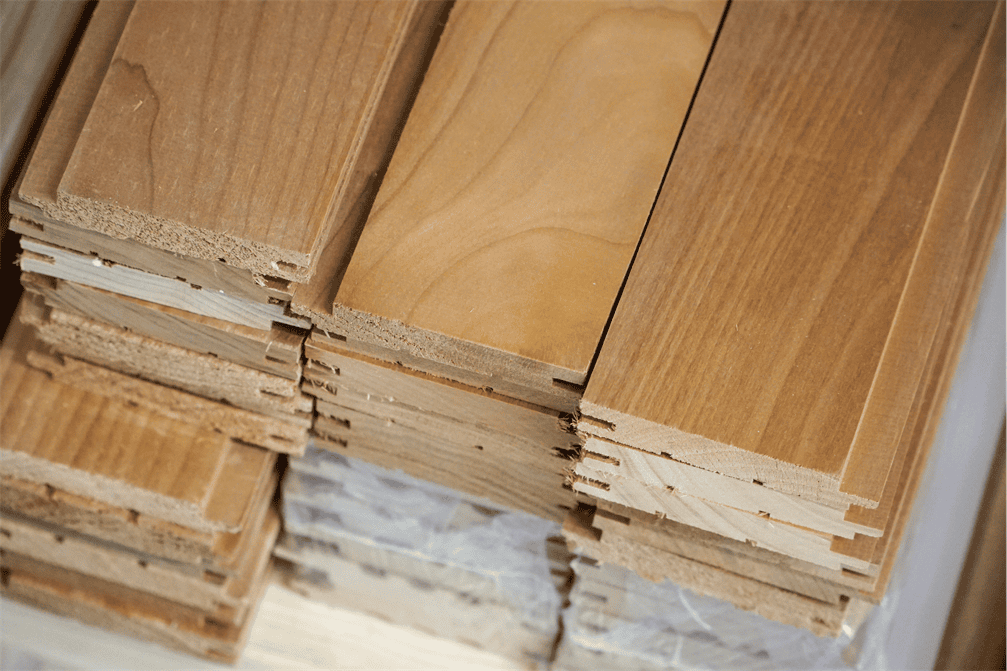
Few materials have a greater impact on lifespan than timber.
Outdoor saunas operate in an environment where moisture levels and temperatures are constantly changing. Some timber species handle these fluctuations well. Others absorb moisture readily and react aggressively to environmental changes, resulting in swelling, shrinking, twisting and warping over time.
The effects are not always immediate.
In many cases, lower-quality timber looks perfectly acceptable during the first year or two before movement begins to affect the wider structure. As materials become less stable, doors can shift, joints can open and heat retention can begin to suffer.
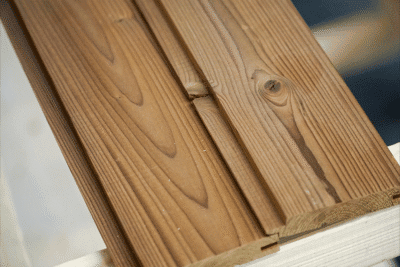
Thermo-treated timber is widely regarded as one of the best materials for outdoor sauna construction because the treatment process improves dimensional stability and reduces the timber’s tendency to absorb moisture. This allows it to remain more consistent throughout years of exposure to weather and repeated heating cycles.
A sauna’s appearance may be defined by its timber, but its lifespan is heavily influenced by it too.
Insulation protects more than efficiency
Insulation is often discussed in terms of running costs, but its influence extends much further than energy consumption.
A sauna with poor insulation experiences greater thermal fluctuation every time it is used. Internal temperatures rise and fall more aggressively, creating additional stress on materials throughout the structure. Over time, this repeated expansion and contraction can accelerate wear and reduce long-term stability.
Good insulation creates a more controlled environment.
Heat remains where it should be, warm-up times improve and temperatures stay more consistent throughout the session. Because the sauna operates more efficiently, the entire structure experiences less thermal stress over its lifetime.
The result is a sauna that not only performs better but often lasts longer as well.
The roof quietly determines longevity
The roof experiences some of the harshest conditions anywhere on the sauna.
Throughout the year it is exposed to rain, frost, UV radiation, wind and continual temperature changes. While much of the sauna remains protected, the roof absorbs environmental stress every day.
This makes roof design far more important than many people realise.
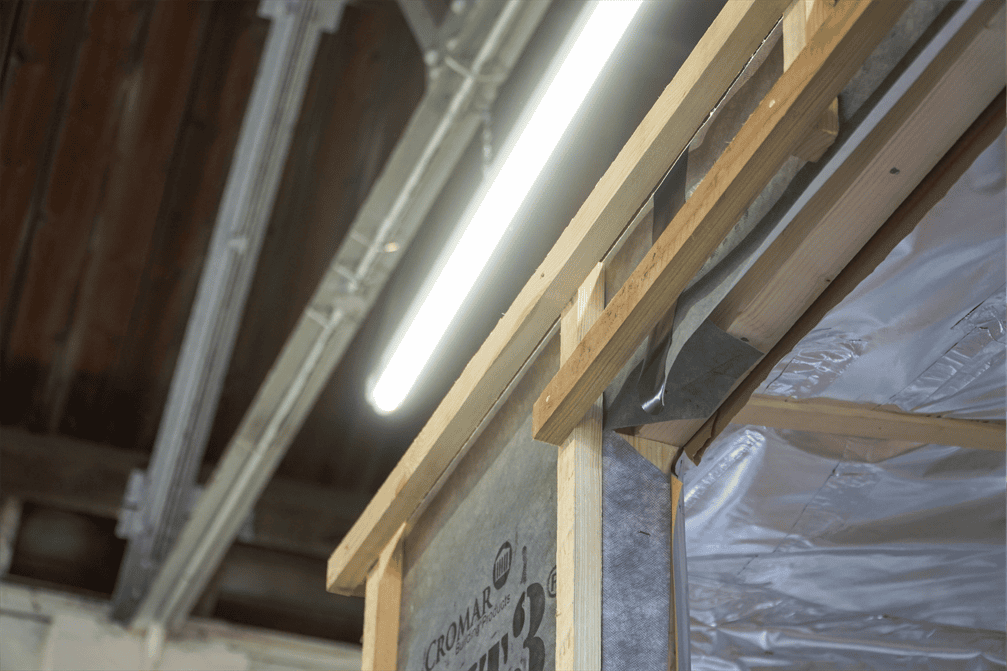
A well-designed roof sheds water efficiently, protects vulnerable structural elements and prevents moisture from finding its way into areas where it can cause long-term damage. Poor roof design, on the other hand, often becomes the starting point for deterioration.
Many lifespan issues that appear elsewhere in a structure can ultimately be traced back to water management problems above.
A good roof protects far more than the space directly beneath it.
Doors and seals reveal build quality
If you want to understand how well a sauna is ageing, look at the door.
Doors experience constant use and are highly sensitive to structural movement. As a result, they are often one of the first places where problems become visible.
A well-built sauna maintains door alignment year after year. The door closes smoothly, seals remain effective and heat stays where it belongs. A poorly built sauna tends to reveal itself through sticking doors, uneven gaps and declining heat retention.
The door itself is only one component, but its performance often reflects the quality of the wider structure.
When doors continue working properly after years of use, it is usually a sign that everything around them is performing properly too.
Ventilation influences lifespan every day
Many people think of ventilation purely in terms of comfort.
In reality, it is also one of the most important durability features within the sauna.
Every session generates heat and moisture. Once the sauna is no longer in use, that moisture needs somewhere to go. Without adequate airflow, humidity remains trapped inside the structure, surfaces take longer to dry and materials remain under constant environmental stress.
Over time, this can significantly reduce lifespan.
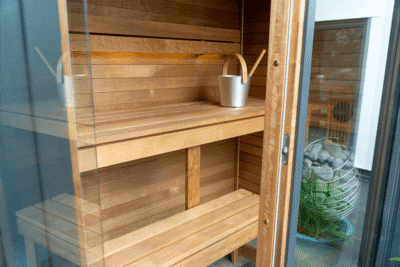
Well-designed ventilation allows the sauna to recover naturally between sessions. Air circulates, moisture dissipates and internal materials return to a stable state more quickly.
A sauna that dries efficiently will almost always age more gracefully than one that does not.
The heating system affects long-term performance
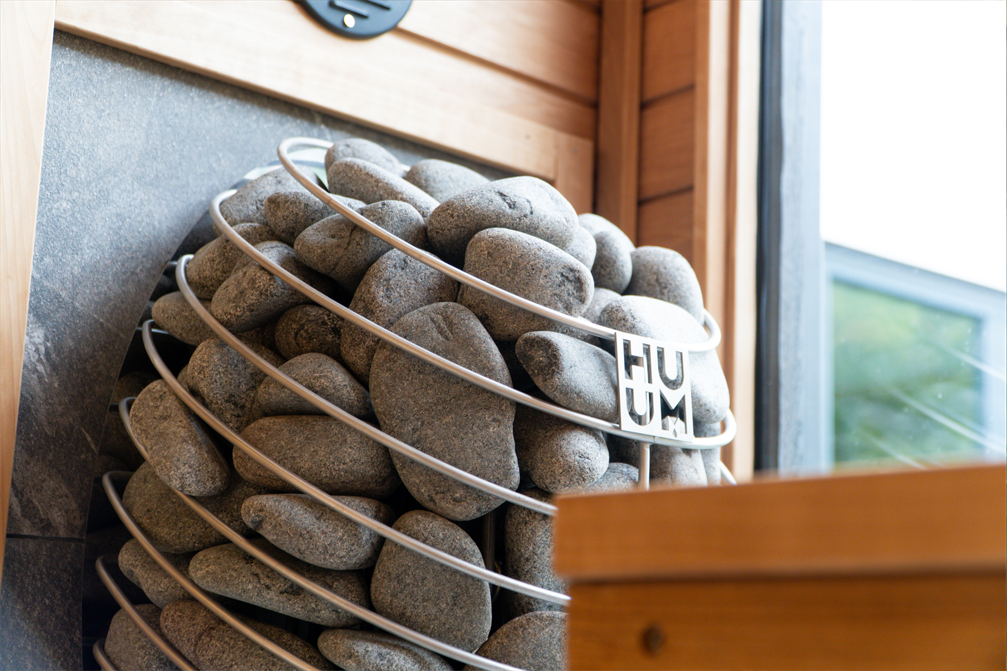
The heater is often viewed as a replaceable component, but its influence extends beyond simply producing heat.
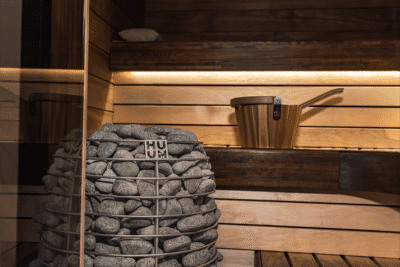
A high-quality heater creates consistent, predictable heating cycles. Temperatures rise steadily, thermal loads remain controlled and surrounding materials are exposed to less unnecessary stress. The sauna operates as intended.
Lower-quality heaters can create more dramatic fluctuations, overshooting temperatures or cycling inconsistently. Over time, this places additional strain on both the structure and internal components.
The best heating systems support the longevity of the sauna rather than simply generating heat.
Reliability matters just as much as output.
Moisture management is often the deciding factor
If there is one factor responsible for more premature sauna failures than any other, it is poor moisture management.
Water affects every part of an outdoor structure. It influences timber stability, structural movement, insulation performance and long-term durability. When moisture is allowed to accumulate around the sauna or remain trapped within it, deterioration accelerates significantly.
Good sauna design acknowledges this reality from the beginning.
Drainage directs water away from the structure. Ventilation encourages drying. Construction details prevent moisture from becoming trapped in vulnerable areas.
These systems often go unnoticed when they are working properly, which is precisely the point.
The best moisture management systems are the ones you never have to think about.
Construction quality brings everything together
Even the best materials can be undermined by poor construction.
Precision matters because a sauna is constantly moving. Heating cycles, cooling cycles, changing humidity levels and seasonal weather all place pressure on the structure. If components have not been assembled accurately, weaknesses become more apparent with every passing year.
High-quality construction ensures that all parts of the sauna work together as a single system.
Joints remain tight. Loads are distributed correctly. Heat behaves predictably. Moisture is managed effectively. The structure remains stable.
This is often what separates a sauna that lasts five years from one that lasts twenty.
Location also influences lifespan
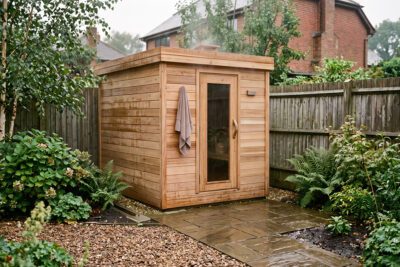
A sauna’s environment has a direct impact on how hard it must work throughout its life.
Structures positioned in highly exposed areas face greater wind loads, increased moisture exposure and larger temperature fluctuations. While a well-built sauna should be capable of handling these conditions, reducing unnecessary environmental stress always supports longevity.
Thoughtful placement can improve heat retention, reduce moisture-related issues and protect external materials from excessive wear.
The sauna itself may be the same, but the conditions surrounding it can significantly influence how long it performs at its best.
How True North approaches longevity
At True North, lifespan is considered from the very beginning of the design process.
Thermo-treated timber, insulated wall systems, traditional timber framing and carefully engineered airflow all work together to create a structure designed for long-term outdoor performance. Every component is selected not only for how it performs when new, but for how it will perform years down the line.
Because longevity is rarely the result of one major decision. It is the result of hundreds of small decisions made correctly.
A sauna’s lifespan is determined by far more than its appearance or heater specification.
The frame, timber, insulation, roof design, ventilation, moisture management and overall construction quality all influence how well the structure performs over time. When these components work together effectively, the result is a sauna that remains stable, efficient and enjoyable to use for many years.
The best saunas are not necessarily the ones that impress most on day one.They are the ones that continue performing properly long after the novelty has worn off.